POTS - When Standing up Makes Your Heart Race and Head Spin
For people living with Postural Orthostatic Tachycardia Syndrome (POTS) or Orthostatic Intolerance (OI), even the simplest daily activities can become overwhelming. Standing up, walking through the supermarket, exercising, or simply making dinner can trigger dizziness, palpitations, fatigue, muscle pain, and brain fog.
Compression garments have long been recommended as part of conservative management. However, many people struggle to wear traditional medical compression because it is uncomfortable, difficult to put on, and impractical for all-day use.
At SRC Health, we asked a simple question:
What if compression was designed to be worn comfortably all day, every day?
Our latest clinical study provides encouraging evidence that it can make a meaningful difference.
Understanding POTS and Orthostatic Intolerance
POTS and OI are disorders of the autonomic nervous system that affect how the body regulates blood flow when changing posture.
Common symptoms include:
- Dizziness on standing
- Near fainting
- Rapid heart rate (palpitations)
- Fatigue
- Muscle pain
- Brain fog and difficulty concentrating
- Headaches
- Shortness of breath
- Gastrointestinal symptoms
One of the major contributors to these symptoms is blood pooling in the legs and abdomen, reducing the amount of blood returning to the heart and brain.
Why Compression Can Help
Research has shown that compression garments can:
- Reduce venous pooling
- Improve blood return to the heart
- Support cardiac output while standing
- Improve orthostatic tolerance
- Reduce symptom severity
The challenge has never been whether compression works.
The challenge has been finding garments that patients are actually willing to wear every day.

Traditional compression stockings are often described as:
- Difficult to put on
- Too hot
- Uncomfortable
- Poor fitting
- Lacking abdominal support
These issues contribute to low long-term adherence despite their potential benefits.
The SRC Health Difference
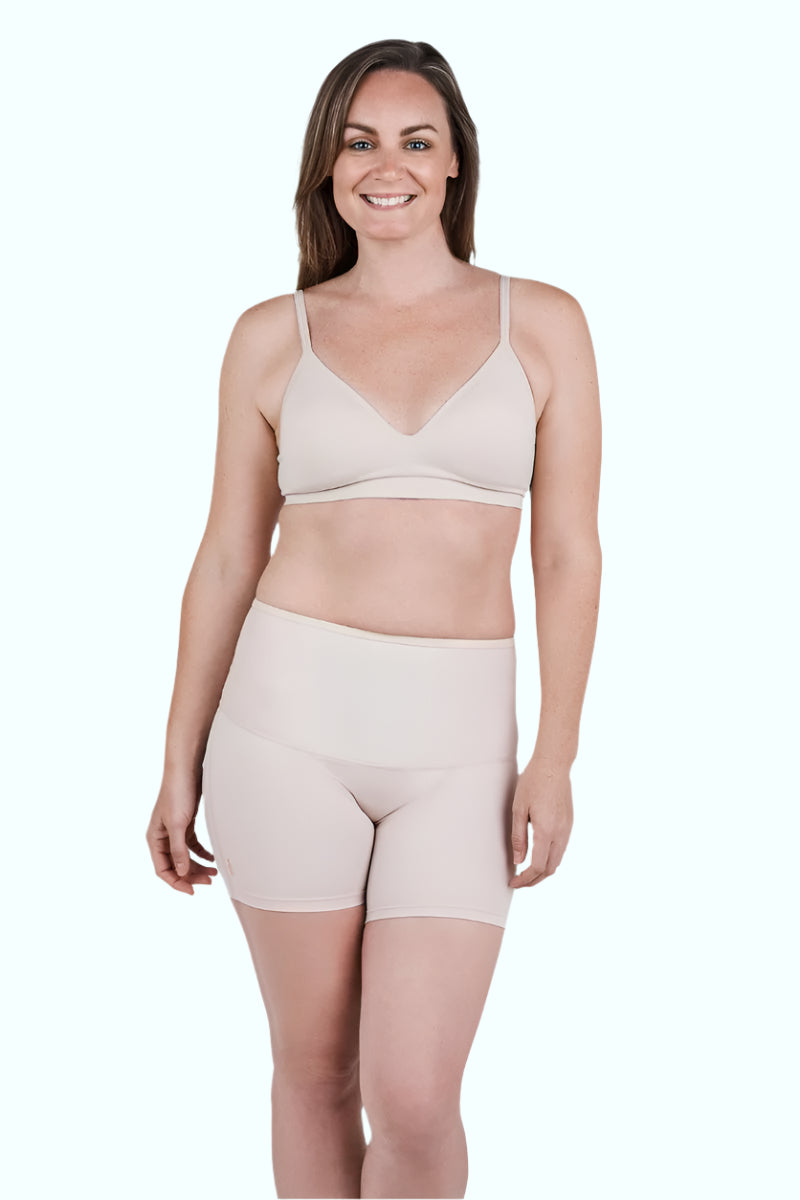
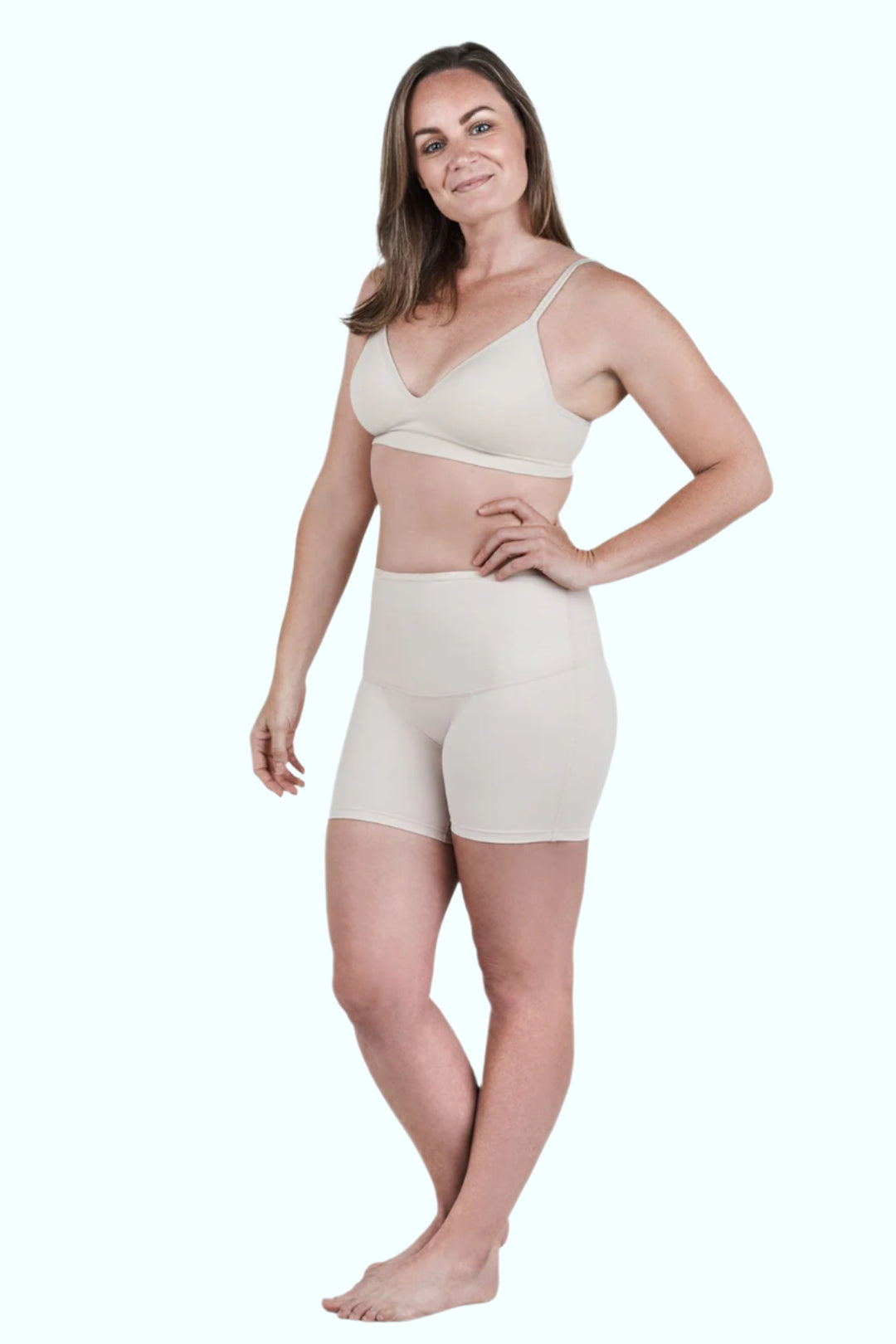
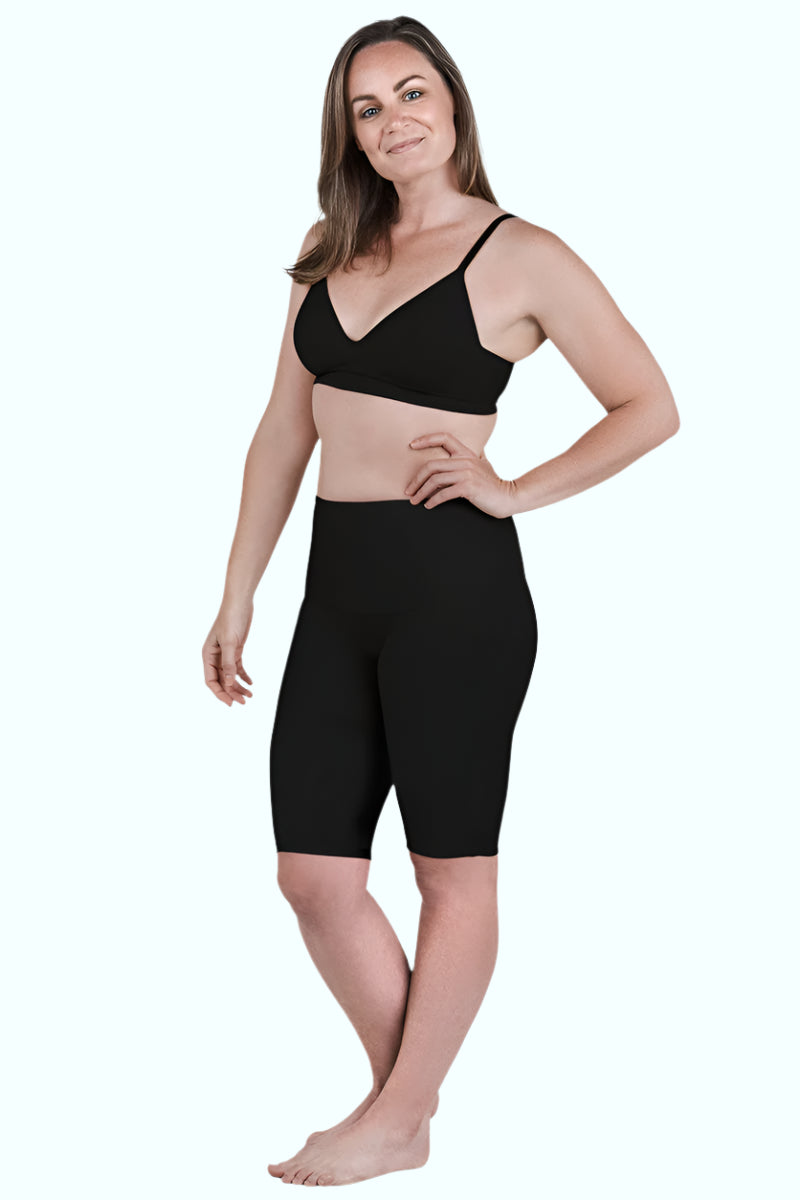
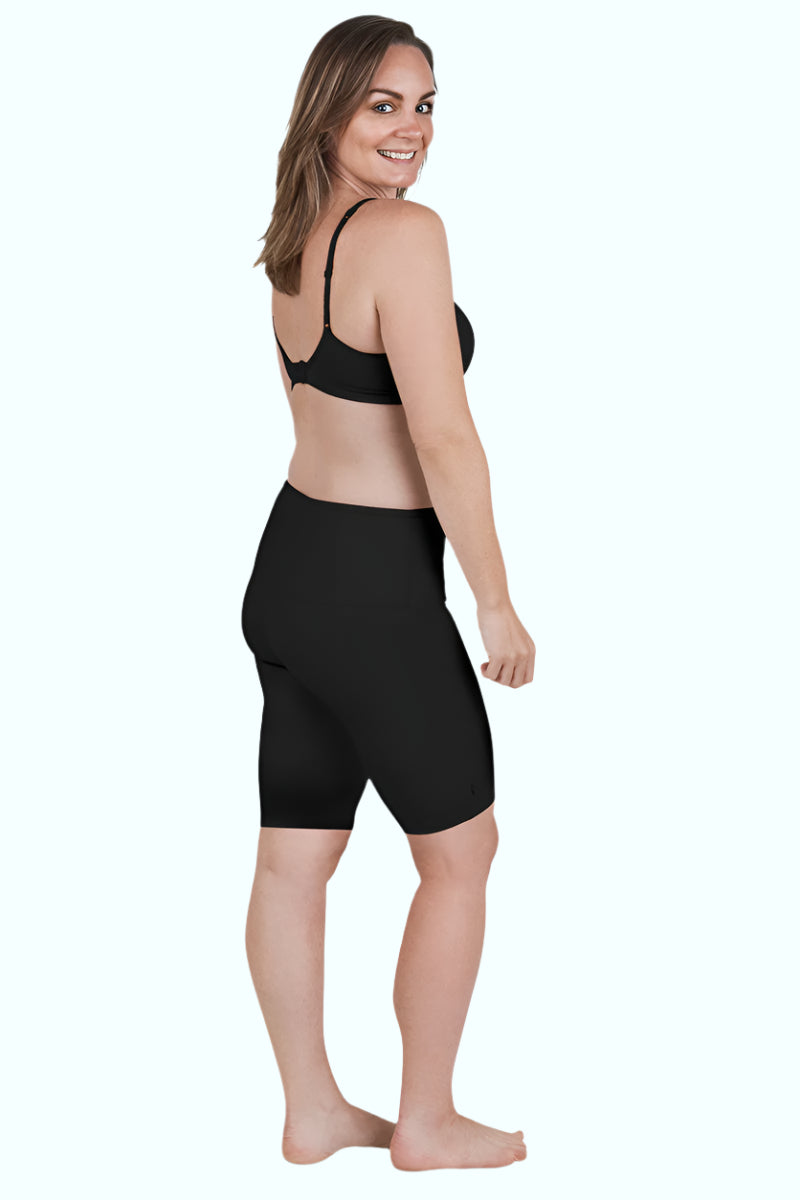
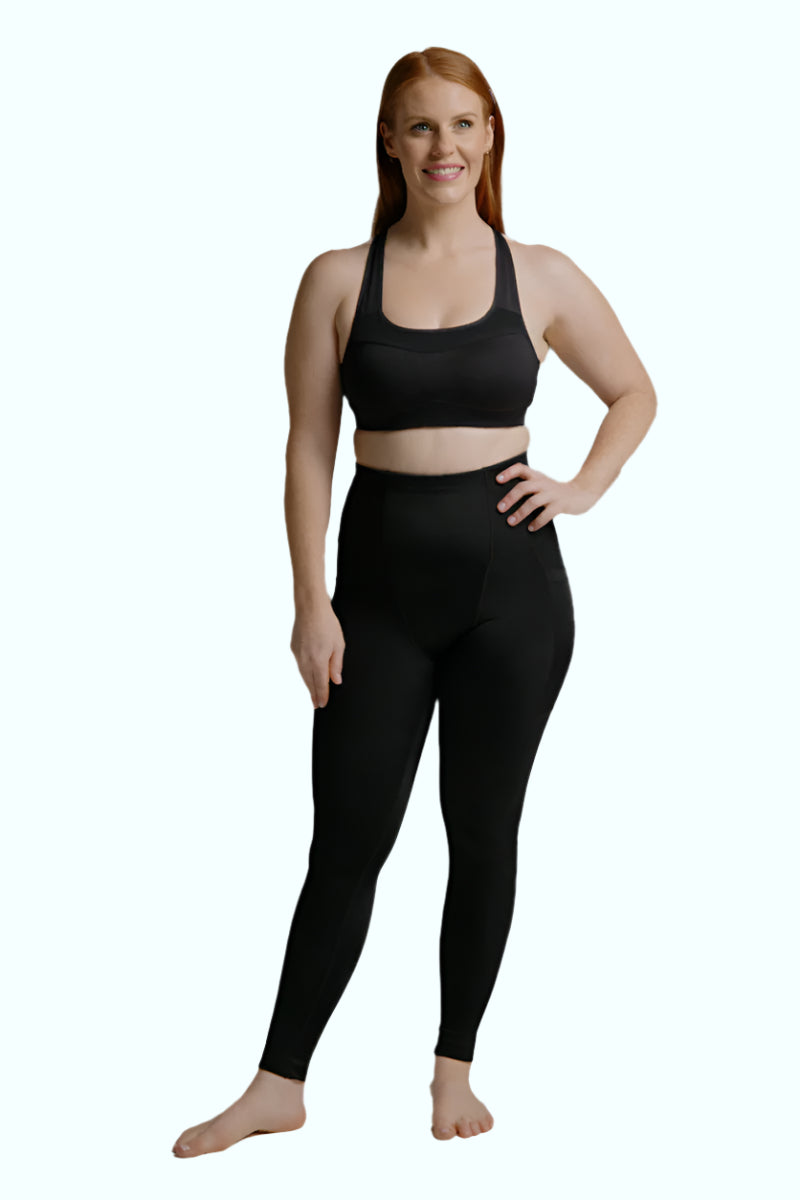
SRC Graduated Compression Leggings were designed differently.
Instead of relying solely on leg compression, the leggings incorporate:
- Double-layer abdominal support
- Double-layer back support
- Triple-layer gusset support
- Medical-grade graduated compression throughout the legs
- A waistband that sits comfortably beneath the bra line
- A non-roll, non-fold waistband designed for all-day comfort
The aim was simple:
Provide effective compression without compromising comfort or wearability.
The Pilot Study
Researchers recruited 11 participants:
- 7 diagnosed with POTS
- 4 diagnosed with Orthostatic Intolerance
Participants in the study completed the validated Malmö POTS Score (MAPS) questionnaire weekly for three weeks to establish their baseline symptoms.
They were then professionally fitted with SRC Graduated Compression Leggings and asked to wear them during waking hours for six weeks, while continuing to complete weekly symptom questionnaires.
Each participant served as their own control, allowing researchers to compare symptoms before and during compression therapy.
What Did the Study Find?
Across the combined POTS and OI group, participants experienced statistically significant improvements in many of the symptoms that most commonly affect quality of life.
Significant improvements included:
Dizziness while standing
Near fainting
Palpitations
Shortness of breath
Chest pain
Headaches
Difficulty concentrating
Muscle pain
Gastrointestinal symptoms
Fatigue
Notably, muscle pain and palpitations showed some of the greatest improvements, with palpitations decreasing by more than two points on the 10-point symptom scale.
Comfort Matters
One of the most important findings wasn't simply symptom improvement.
Participants reported that the garments were comfortable enough for everyday wear.
This matters because previous research has consistently shown that many patients stop wearing traditional compression garments due to discomfort.
A compression garment only works if people are willing to wear it consistently.
The study suggests that designing compression specifically for comfort and daily wear may improve adherence and, ultimately, patient outcomes.
What This Means for People Living with POTS
Compression garments are not a cure for POTS or Orthostatic Intolerance.
However, they can form an important part of a comprehensive management plan alongside:
- Hydration
- Increased salt intake (where medically appropriate)
- Exercise rehabilitation
- Medication prescribed by your healthcare professional
- Lifestyle modifications
Our findings suggest that wearing SRC Graduated Compression Leggings daily may help reduce the burden of many common symptoms while supporting greater comfort and function throughout the day.

Looking Ahead.
This study represents an encouraging first step in understanding the role of comfortable, medical-grade compression garments in the management of POTS and Orthostatic Intolerance. While the preliminary findings are highly promising, larger studies are essential to further validate these results and expand our understanding of how compression therapy influences heart rate, blood pressure, blood volume shifts, symptom burden, and overall quality of life.
To build on these findings, SRC Health is currently undertaking a larger Australian clinical study involving a significantly greater number of participants. This research will further evaluate the benefits of daily wear of SRC Graduated Compression Leggings using multiple validated outcome measures over a longer period. We look forward to sharing the results as they become available and continuing to contribute to the growing body of evidence supporting conservative, non-pharmacological management of POTS and Orthostatic Intolerance.
This ongoing commitment to research reflects SRC Health's mission to develop evidence-based compression garments that genuinely improve the lives of those living with autonomic disorders.