For a long time, talking about pelvic floor health was about as popular as discussing a tax audit at a dinner party. It was the "silent" struggle. But the tide is turning, and frankly, it’s about time. Understanding how this shift benefits you and realising that "sneezing with your legs crossed" doesn't have to be your permanent Olympic sport is the first step toward reclaiming your quality of life.
Pelvic floor dysfunction affects women at every stage of life, yet the average woman waits about 6.5 years before seeking help for urinary incontinence. [1]
In Australia, 37% of women live with these problems, and up to 50% of women post-childbirth experience some form of pelvic organ prolapse symptoms during a physical exam. [2] [3] While those numbers are more alarming than a low-battery notification at 1%, the conversation is finally moving into the light.

The Pelvic Health Lifecycle: From Young Athletes to Later Life
Your pelvic floor is essentially a "hammock" of invisible muscles that work harder than a barista on a Monday morning.
Young Athletes: The "Trampoline Terror"
Pelvic pain during pregnancy may be more common, but athletes also experience similar discomfort due to high-impact training and repetitive stress on the pelvic floor muscles. High-impact sports like basketball and volleyball can put significant pressure on these muscles. In fact, 28% of female college athletes experience urinary incontinence before they’ve ever been pregnant. [4] For these young women, learning that leakage isn't just "part of the game" is vital to staying active and confident.

Pregnancy and Postpartum: The Internal Construction Project
Pregnancy is often described as a "rollercoaster," and your pelvic floor is definitely along for the ride. During pregnancy, 60.8% of women experience at least one symptom of pelvic floor dysfunction. [5] Once the baby arrives, 40% of women continue to navigate pelvic floor weakness and abdominal separation (DRAM). [6] Without proper support and rehab, these issues can linger longer than an unwanted houseguest.
Later Life: Reclaiming the Active Years
As we age, our pelvic floor can start to feel the cumulative effects of, well, life. Approximately 40% of women over 50 suffer from prolapse, and nearly 38% are affected by incontinence. [7] [8] This often leads to women stopping exercise to avoid "accidents," which can contribute to much more serious health issues.

Evidence-Based, Non-Invasive Support
Surgical solutions exist, but they come with high failure rates, up to 39% for prolapse surgeries. [9] This has led many to seek out "something in between."
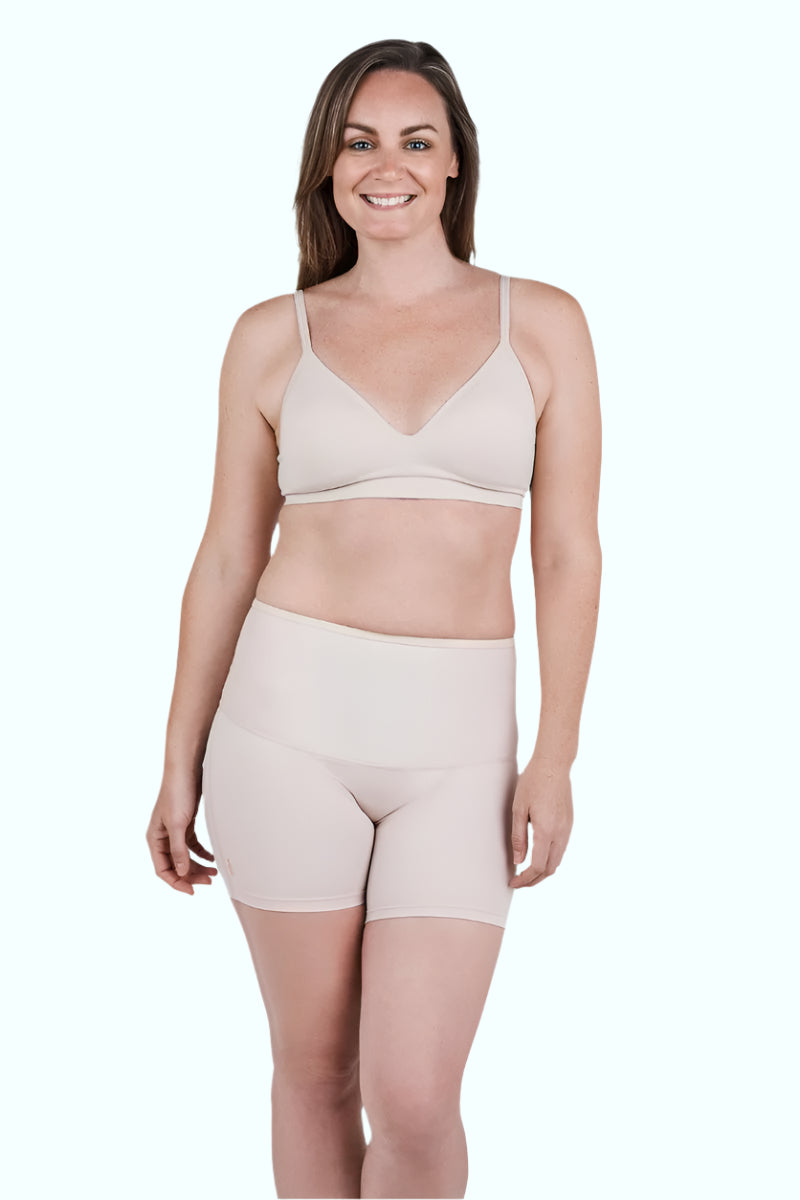
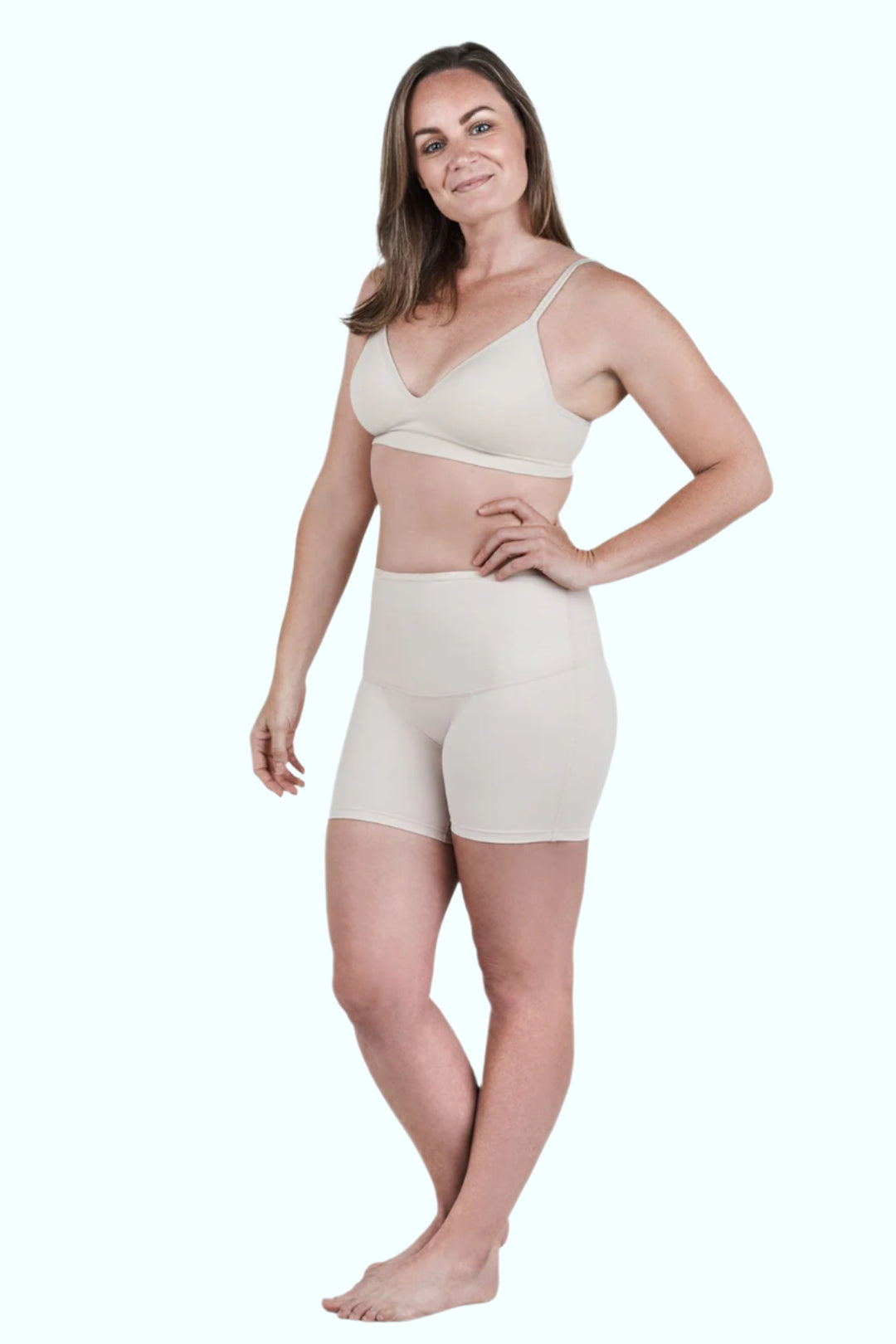
SRC Health range of garments serve as a "trusty alliesy" alongside the expert care of your physiotherapist. Our patented Triple-Layer Gusset Panel is the standout feature here. Each layer is cut on a different plane to provide sustained, continuous compression. This isn't just about feeling "held in." This targeted support is believed to initiate a proprioceptive feedback loop, essentially reminding your pelvic floor muscles to "wake up" and stay engaged.
Finding Your Trusted Ally: The SRC Range
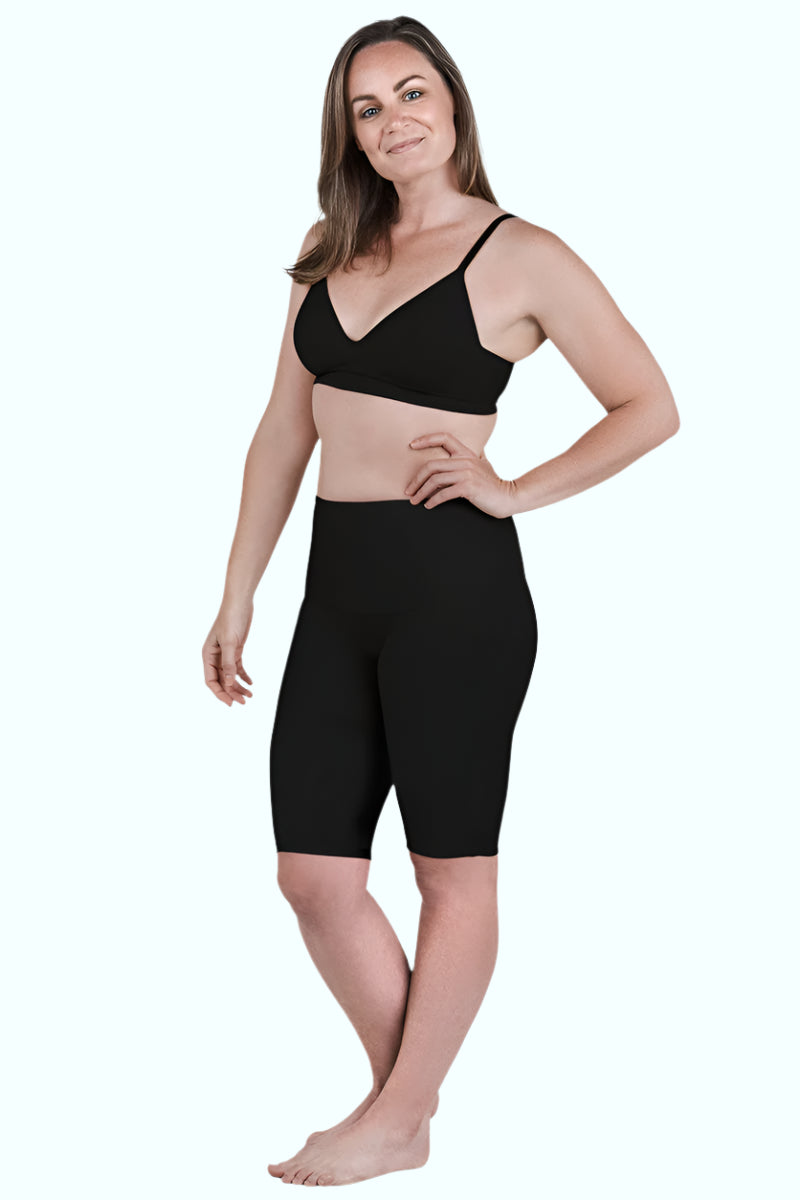
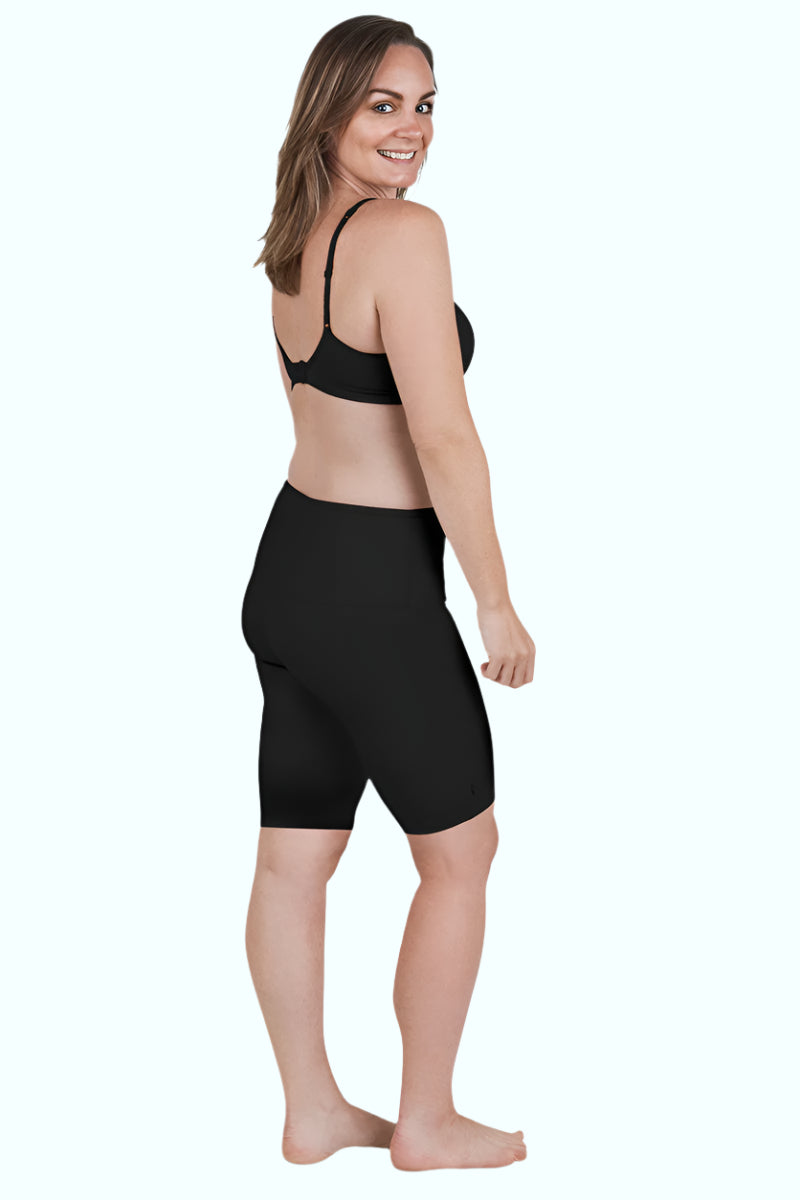
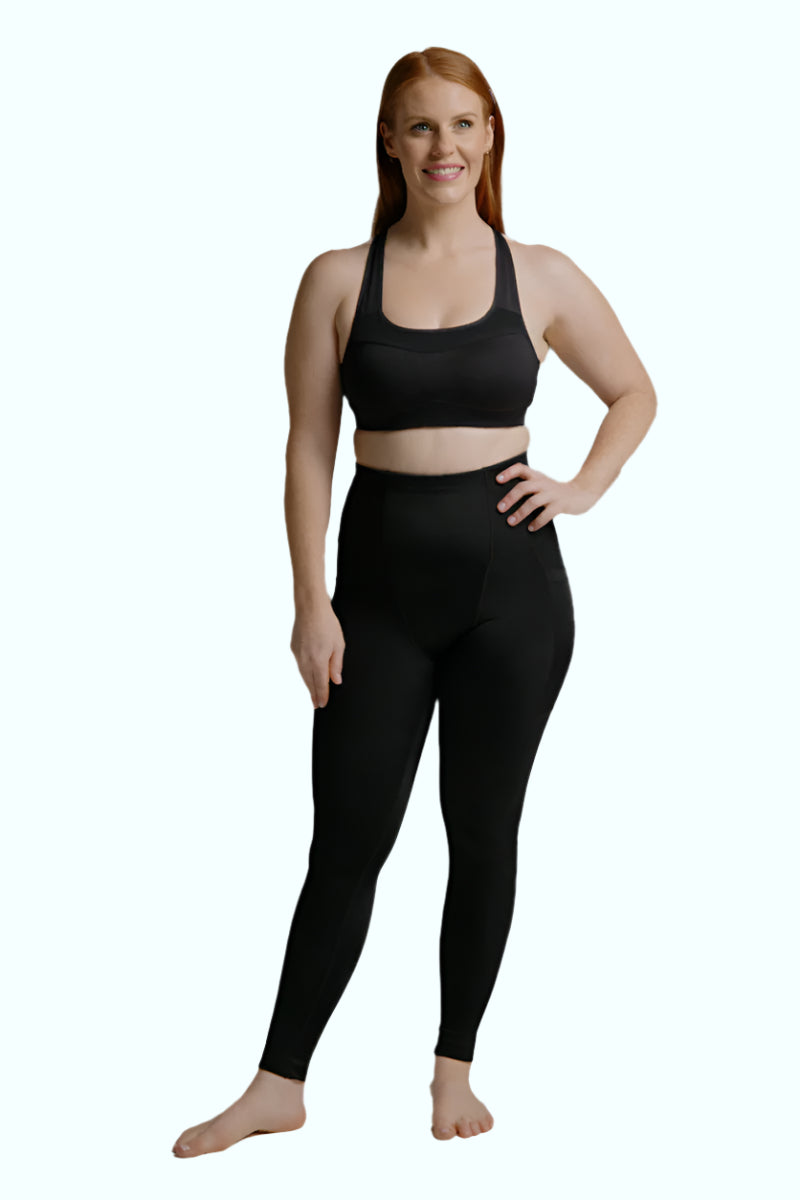
SRC Restore Shorts and Leggings
The SRC pelvic floor support garment is specifically designed for those navigating the challenges of mild-to-moderate Stress Urinary Incontinence (SUI) and Pelvic Organ Prolapse (POP).
-
Pelvic Health Benefits: Clinically shown to significantly improve continence and quality of life while worn. In our SUI study, 70% of participants showed statistically significant improvement. [10]
-
Additional Benefits: 90% of users found them comfortable enough for daily wear, and 100% of women reported that the shorts helped them manage their daily activities with more confidence.

SRC Pregnancy Support Garments
The SRC pregnancy support shorts and leggings are engineered to support your Pelvic Health during the physical demands of carrying a new life. These garments help relieve pelvic pain in pregnancy and provide targeted compression to improve stability and everyday comfort.
-
Pelvic Health Benefits: Provides perineal support that may help reduce pelvic floor weakness and relieve the "heaviness" of early prolapse symptoms.
-
Additional Benefits: Specifically designed to reduce pelvic girdle and lower back pain as well as vulvar varicosities, making walking feel like a possibility again.

SRC Recovery Garments
The SRC recovery garments are designed to help heal your pelvic floor and core after delivery. Pelvic pain after pregnancy can persist due to muscle weakness and joint instability, and these garments provide targeted compression to support recovery and restore strength.
-
Pelvic Health Benefits: Provides essential support to the pelvic floor, helping you feel stable and secure when you're lifting your baby or finally returning to a walk.
-
Additional Benefits: Clinically proven to assist with abdominal separation (DRAM), low back pain, and the healing of C-section or perineal wounds.
Proactive Steps You Can Take Today
-
Screen Early: Don't wait until symptoms feel unmanageable. Accessing a Pelvic Health Physiotherapist early can help you stay active and supported.
-
Master "The Knack": This is a clinically proven technique also known as a "functional pelvic floor contraction." [11] It’s essentially a well-timed "squeeze and lift" of your pelvic floor muscles performed immediately before a cough, sneeze, or heavy lift to prevent that unwanted downward pressure.
-
Optimise Your Sleep Position: During pregnancy, how you sleep is about more than just finding a comfortable spot among the 15 pillows you now own.
The Pregnancy Sleeping Position Structure
Small adjustments to your sleeping position can make a big difference in how well you rest. Here are some of the best pregnancy sleeping positions and tips to help you get a better night’s sleep.
-
Side-Lying is Gold Standard: After 28 weeks, sleeping on your side (ideally the left) can improve circulation to the placenta and reduce the risk of stillbirth.
-
Use Pillow Support: Place a pillow between your knees and one under your bump to keep your hips aligned and reduce pelvic pressure.
-
Avoid the Back: Avoid sleeping flat on your back in the later stages, as the weight of the uterus can compress major blood vessels, which isn't great for you or the baby.
Pelvic floor dysfunction is common, but it should never be considered "normal." By breaking the silence and choosing evidence-based support, you can reclaim your confidence at every stage of life.
References
-
(2009). Role of the Wound, Ostomy Continence Nurse or Continence Care Nurse in Continence Care. https://pubmed.ncbi.nlm.nih.gov/31083065/
-
Economic Cost of Incontinence in Australia Continence Foundation of Australia June 2024. https://www.continence.org.au/about-us/our-work/economic-cost-incontinence#2024
-
Carroll, L., Sullivan, C. O., Doody, C., Perrotta, C., & Fullen, B. M. (2023, December 18). Pelvic organ prolapse: Women’s experiences of accessing care & recommendations for improvement. BMC women’s health. https://pmc.ncbi.nlm.nih.gov/articles/PMC10729347/
-
Pires T, Pires P, Moreira H, Viana R. Prevalence of urinary incontinence in high-impact sport athletes: a systematic review and meta-analysis. J Hum Kinet. 2020;73:279-288. https://pubmed.ncbi.nlm.nih.gov/32774559/
-
Baruch Y, Manodoro S, Barba M, Cola A, Re I, Frigerio M. Prevalence and severity of pelvic floor disorders during pregnancy: does the trimester make a difference? Healthcare (Basel). 2023;11(8):1096. https://pubmed.ncbi.nlm.nih.gov/37107930/
-
7. Mou T, Nelson L, Lewicky-Gaupp C, Brown O. Opportunities to advance postpartum pelvic floor care with a health equity-based conceptual framework. Clin Obstet Gynecol. 2023;66(1):86-94. & Sperstad et al., 2016 Sperstad J, Tennfjord M, Hilde G, Ellström-Engh M, Bø K. Diastasis recti abdominis during pregnancy and 12 months postpartum: prevalence, risk factors, and lumbopelvic pain. Br J Sports Med. 2016;50(17):1092-1096. https://pubmed.ncbi.nlm.nih.gov/36657047/
-
Hagen S, Stark D, Glazener C, et al. Individualised pelvic floor muscle training in women with pelvic organ prolapse (POPPY): a multicentre randomised controlled trial. Lancet. 2014;383(9919):796-806. https://pubmed.ncbi.nlm.nih.gov/24290404/
-
Coyne KS, Sexton CC, Thompson CL, et al. The prevalence of lower urinary tract symptoms (LUTS) in the USA, the UK and Sweden: results from the Epidemiology of LUTS (EpiLUTS) study. BJU Int 2009;104:352–60 [Crossref], [PubMed], [Web of Science®], [Google Scholar] https://pubmed.ncbi.nlm.nih.gov/19281467/
-
Jelovsek JE, Gantz MG, Lukacz ES, et al. Subgroups of failure after surgery for pelvic organ prolapse and associations with quality of life outcomes: a longitudinal cluster analysis. Am J Obstet Gynecol. 2021;225(5):504.e1-504.e22. https://pubmed.ncbi.nlm.nih.gov/34157280/
-
Mestre S;Vignes S;Malloizel-Delaunay J;Abba S;Villet S;Picolet A;Vicaut E;Quéré I; (n.d.). Positive impact of a new compressive garment in patients with genital lymphedema: Olympy study. Lymphatic research and biology. https://pubmed.ncbi.nlm.nih.gov/38563697/
-
Miller JM;Sampselle C;Ashton-Miller J;Hong GR;DeLancey JO; (n.d.). Clarification and confirmation of the Knack maneuver: The effect of volitional pelvic floor muscle contraction to preempt expected stress incontinence. International urogynecology journal and pelvic floor dysfunction. https://pubmed.ncbi.nlm.nih.gov/18204797/