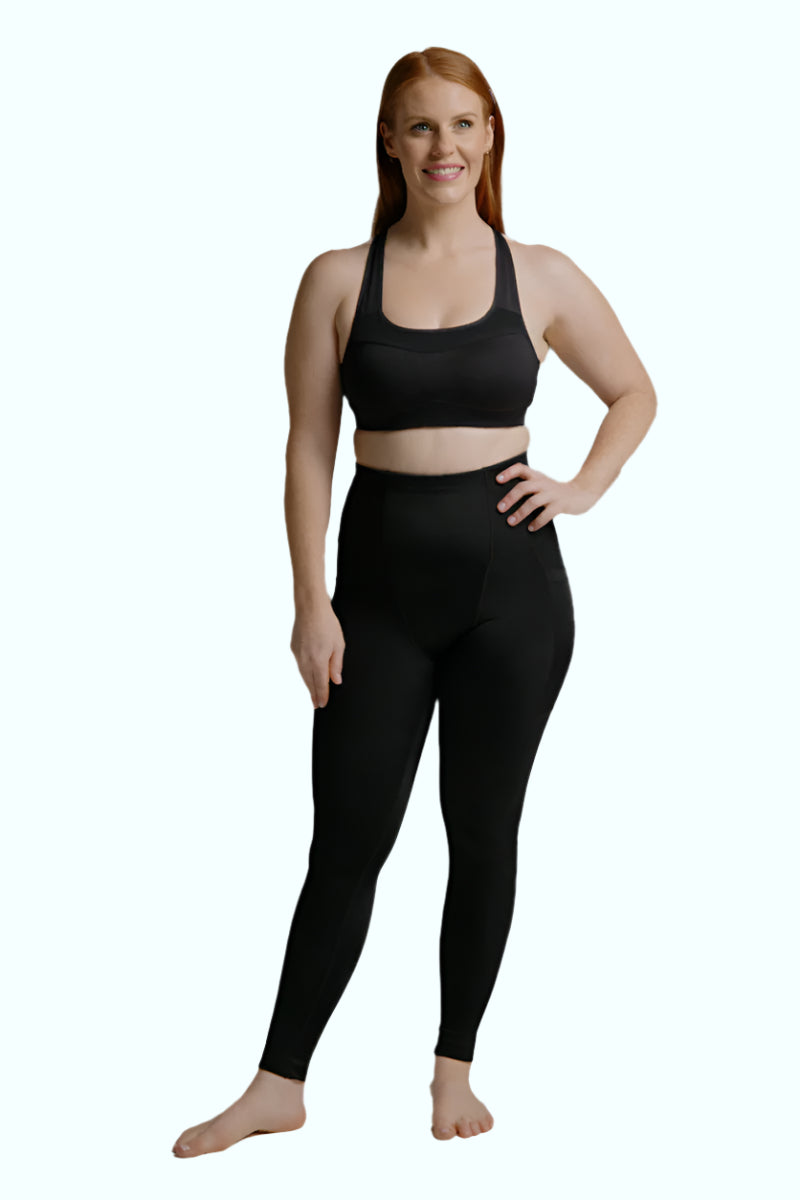
Every pregnancy is a wild card. You might spend your first trimester waiting for your bump to start showing while your best friend shows at 12 weeks. Comparing your bump to a stranger on Instagram is a fast track to unnecessary stress. Whether you are sporting a tiny curve or a full basketball, your body is doing exactly what it needs to do. Understanding the stages of a pregnant belly helps you manage expectations, but remember that your journey is as unique as you are.
When Do You Start Showing During Pregnancy?
The big question is always, “When does a baby bump appear?” For most first-time mums, the debut happens between weeks 12 and 16. If this isn't your first rodeo, you might notice your clothes getting tight much sooner. Your muscles have been here before, and they know the drill.
It is perfectly normal to start showing early or late. Some women don’t look pregnant until they are halfway through. Others feel the need for maternity jeans before the first ultrasound. Both are fine.
What Factors Influence When Your Baby Bump Starts Showing?
Several things dictate when you start showing in pregnancy. It isn't just about the baby's size.
-
Body Type: If you have a shorter torso, there is less room for the baby to grow up (vertically), so they grow out sooner (horizontally).
-
Number of Pregnancies: Second or third babies usually show faster because the abdominal muscles are more relaxed.
-
Age: Older abdominal muscles might give way to the bump a bit earlier.
-
Uterus Shape: The way your uterus is tilted before pregnancy can change how quickly the bump moves forward.
-
Bloating: In the early days, that bump might just be progesterone-induced bloating. This is due to this pregnancy hormone relaxing the digestive tract's smooth muscles, which causes slower digestion and increased gas and fluid retention
-
Carrying Multiples: If you are having twins, expect to show much earlier.
How Your Pregnant Belly Looks & Feels During Each Trimester
The First Trimester of Pregnancy Belly
Pregnancy belly starts during the first trimester, from Week 1 through Week 12. This is often the "is it the baby or have I had too many burritos?" stage.
1. One Month of Pregnant Belly
At this point, the baby is the size of a poppy seed. You won't see a bump, but you might feel bloated and exhausted.
2. Months of Pregnant Belly
Your uterus is now about the size of a lemon. While a 2-month pregnant belly isn't usually visible to the world, your favourite jeans might start feeling a bit tight.
3.Months of Pregnant Belly
By the end of the first trimester, the baby is the size of a lime. The 3-month pregnant belly might start to show a small, firm curve just above the pubic bone.
The Second Trimester of Pregnancy Belly
The second trimester pregnancy belly usually ‘lets the secret out’ and spans from Week 13 to Week 27.
4. Months of Pregnant Belly
The "pop" often happens here. A 4-month pregnant belly is usually unmistakable. You have likely transitioned to maternity wear or the hair-tie-on-the-button trick.
5. Months of Pregnant Belly
The baby is now the size of a banana. Your 5-month pregnant belly is growing rapidly, and you might start feeling those first fluttering kicks.
6 .Months of Pregnant Belly
At this stage, your navel might decide to become an "outie." The 6-months-pregnant belly is prominent, and your centre of gravity is officially shifting.
The Third Trimester of Pregnancy Belly
Pregnancy belly begins getting more weighty during the third trimester at Week 28 and lasts until you meet your baby.
7. Months of Pregnant Belly
Your 7-months-pregnant belly is getting heavy. You might start noticing stretch marks or an itchy sensation as the skin tightens.
8. Months of Pregnant Belly
Space is getting tight in there. An 8-month pregnant belly often comes with rib pain and a baby who uses your bladder as a trampoline.
9. Months of Pregnant Belly
In the final stretch, your 9-months-pregnant belly might "drop" as the baby moves into the birth canal. This makes breathing easier but walking much harder.
Why Pregnant Bellies Look Different
No two bumps are identical. A 7-month pregnant belly on a tall woman will look vastly different from one on a shorter woman. Factors like abdominal muscle tone, the baby's position (transverse vs. head down), and your pregnancy history all play a role. If you are carrying "low" or "high," it is usually just a reflection of your anatomy and the baby's current favourite spot, not an indicator of the baby's sex.
When to Talk to Your Doctor
While most changes are normal, stay alert for:
-
Any vaginal bleeding or sharp, persistent pain.
-
A sudden decrease in baby movements.
-
Symptoms of preeclampsia include sudden swelling in the face or hands, or severe headaches.
-
Signs of infection.
Follow your regular prenatal schedule. These appointments are the best time to ask about your growth and ensure everything is on track.
Tips for Comfort and Confidence Through Every Pregnant Belly Stage
Pregnancy brings ongoing physical changes that can affect comfort, movement, and rest. These tips can help support your body and make each stage of your growing bump feel more manageable.
-
Listen to your body as your belly grows. If you are tired, give your body a rest. Your body is literally growing a person. That is a full-time job.
-
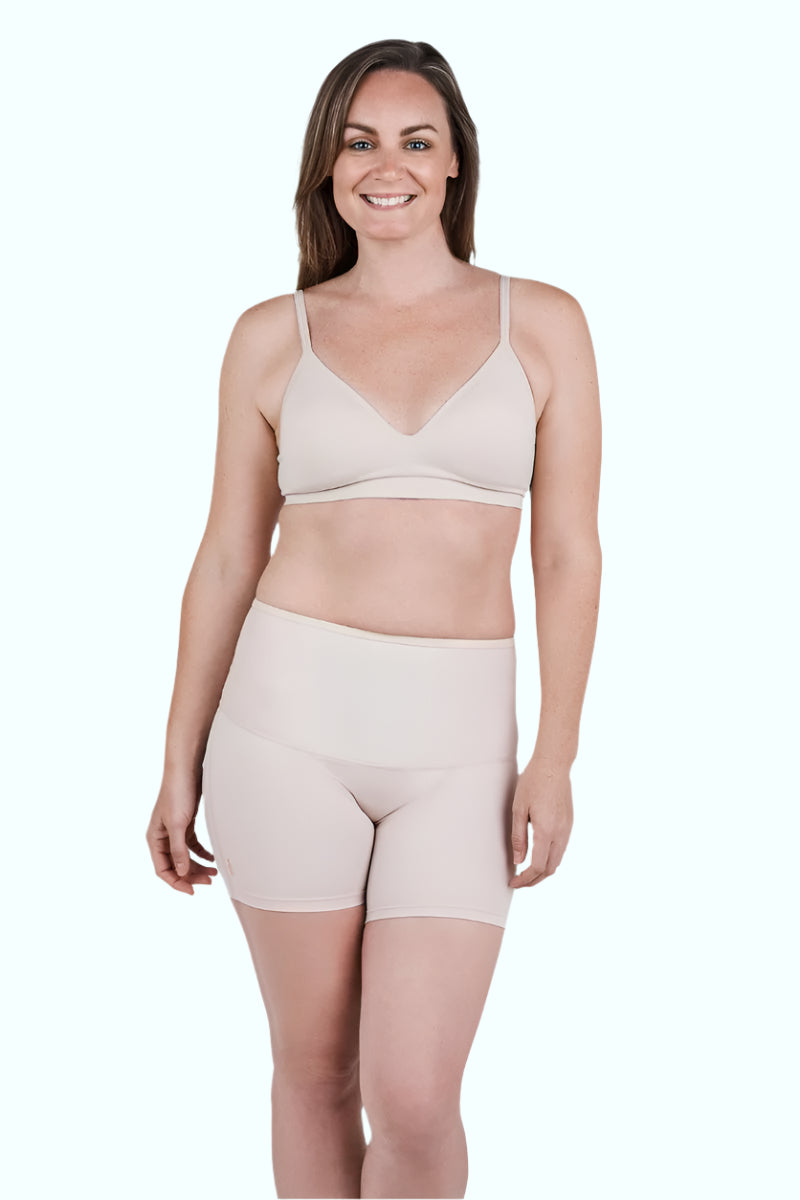
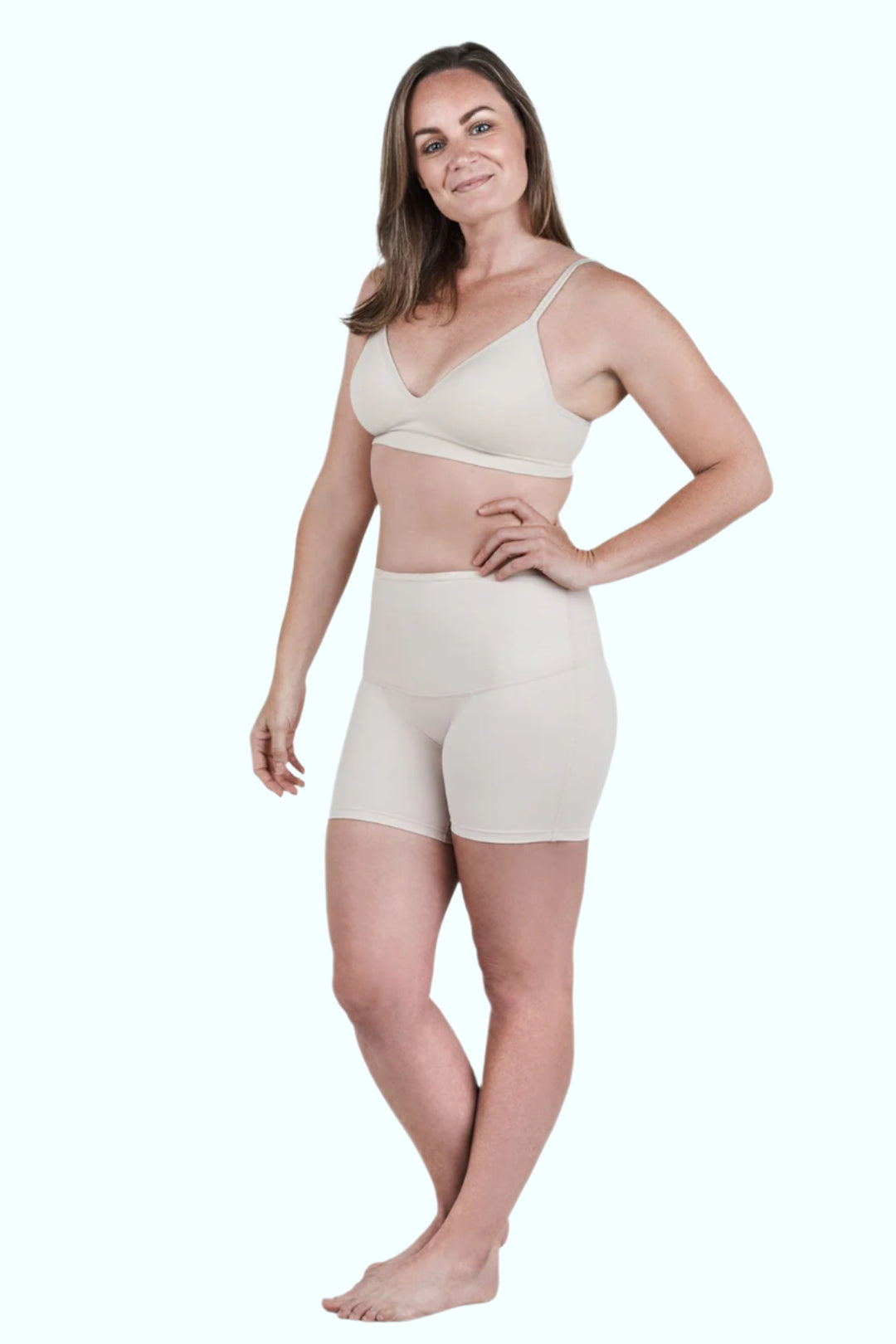
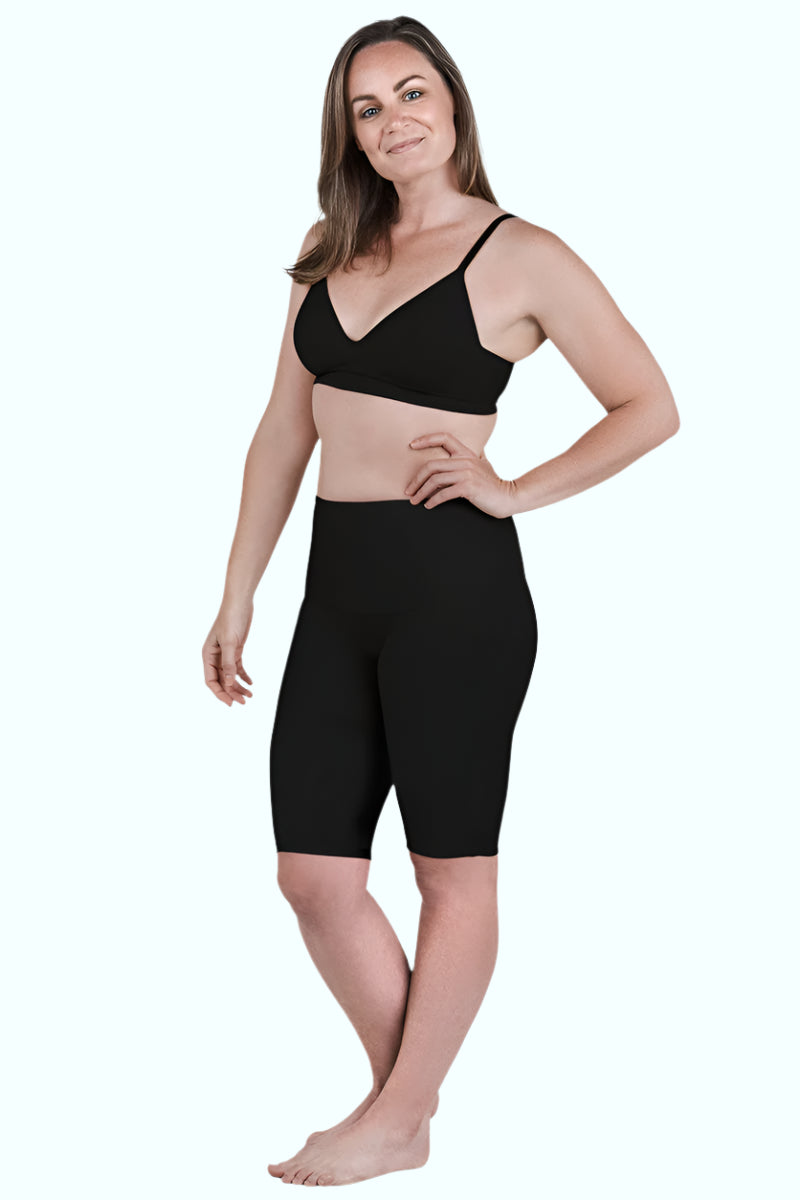
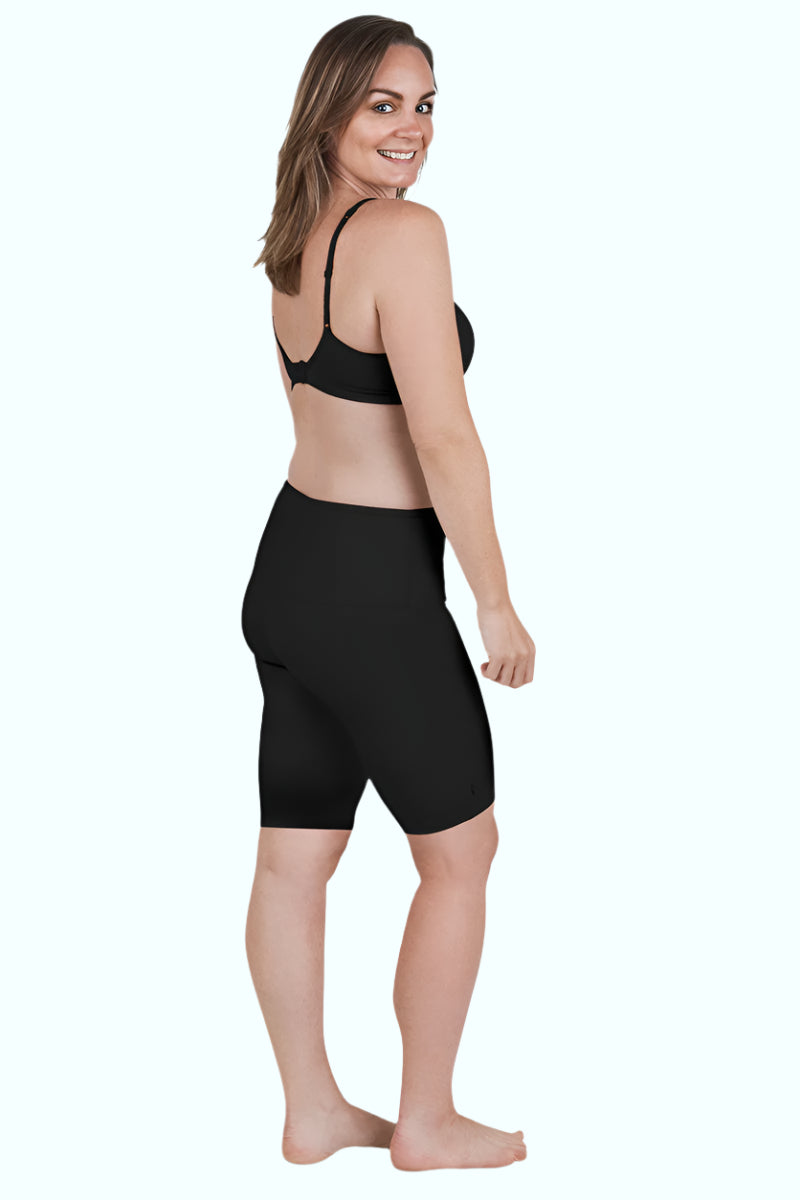
Dress for the bump. Don't squeeze into old clothes. It isn't just about looks; it is about circulation. While shapewear just squashes you, Medical Grade Compression like SRC Health supports you.
-
Support your back. As your belly grows, your lower back takes the hit. This is where SRC Pregnancy Shorts and Leggings come in. If you are dealing with pelvic girdle pain or sciatica, these are a lifesaver. One mum to another: they provide the support you need to actually feel like a human being instead of a waddling penguin.
-
Choose your style. Whether you prefer Over the Bump Pregnancy Shorts for full coverage of the belly or Under the Bump Pregnancy Shorts for a lighter feel, find what keeps you moving.
-
Stay active. Gentle movement helps with circulation and mood. Check with your doctor and keep it safe.
-
Sleep smart. Invest in a good pillow and learn the best positions to support that growing weight.
Post-Pregnancy Belly: What to Expect After Birth
The post-pregnancy belly doesn't disappear the second the baby arrives. You will likely leave the hospital still looking about six months pregnant. This is normal. Your uterus needs time to contract, and your organs need to find their original zip codes again.
Recovery is a week-by-week process. Be patient with yourself. Using SRC Recovery Shorts and Leggings can help bridge the gap by providing the support your abdominal muscles and pelvic floor need to heal properly.
Wear the Right Maternity Garment that Grows With You
Don't just buy bigger clothes. Buy smarter gear. Investing in high-quality compression means you aren't replacing your wardrobe every month. You want pieces that support you from the first trimester through the final weeks and grow with your bump.
FAQs
1. How early can I know I’m pregnant?
Most home tests are accurate from the day of your missed period, though some "early detection" tests work a few days sooner.
2. What does the shape of my pregnant belly mean?
Usually, nothing. Belly shape is determined by your height, muscle tone, and the baby's position. It can't predict the baby's sex or personality.
3. Why is my pregnant belly sometimes hard and sometimes soft?
A hard belly can be the result of a growth spurt, bloating, or Braxton Hicks contractions. If it is soft, the baby might just be lounging in a different position.
4. Why does my pregnant belly look smaller some days?
This is often down to the baby's position. If they tuck back toward your spine, the bump looks smaller. If they stretch out, you look bigger.
5. What if you're not showing but feel like you should be?
If your doctor says the baby is growing well, don't worry. Some women simply "carry small."
6. Is a small bump a problem?
Not necessarily. Fundal height measurements (an estimate of gestational age and fetal growth, which is the length in centimetres from your pubic bone to the top of your uterus) at your check-ups are a much better indicator of the baby's health than the visual size of your bump.