Pregnancy brings incredible changes to the body, but for many women, it can also bring aches and pains that affect daily comfort. One common complaint is tailbone pain during pregnancy, a deep ache or sharp discomfort felt at the very bottom of the spine. Simple activities like sitting, standing, walking, rolling over in bed, or getting out of a car can suddenly feel uncomfortable.
The good news is that tailbone pain in pregnancy is usually manageable with the right support, movement strategies, and lifestyle adjustments. Understanding why it happens can help you find relief and support your body through every stage of pregnancy.
What Is Tailbone Pain?
Tailbone pain is also known as coccyx pain, coccydynia, or coccygodynia. The tailbone, or coccyx, is the small triangular bone located at the very bottom of the spine, just above the buttocks.
Although small, the coccyx plays an important role. It helps stabilise the body while sitting and serves as an attachment point for pelvic floor muscles, ligaments, and tendons. During pregnancy, this area experiences increased pressure and mobility, which can lead to discomfort or pain.
Tailbone pain may feel dull and achy, or sharp and intense depending on the cause and severity.
What Causes Tailbone Pain During Pregnancy?
There are several reasons why tailbone pain can develop during pregnancy, and often more than one factor contributes at the same time.
-
Hormonal Changes
Pregnancy hormones, particularly relaxin, help prepare the body for childbirth by loosening ligaments and joints around the pelvis. While this increased flexibility is necessary for birth, it can also reduce pelvic stability and place extra strain on the coccyx. -
Increased Weight and Pressure
As the baby grows, additional body weight and pressure shift through the pelvis and lower spine. Sitting for long periods can place direct pressure on the tailbone, making symptoms worse. -
Postural Changes
Pregnancy naturally changes posture. As the centre of gravity shifts forward, many women lean backwards slightly to compensate. This altered posture can increase strain through the lower back, pelvis, and coccyx. -
Direct Pressure from the Baby
As pregnancy progresses, the growing baby may press directly against the tailbone and surrounding pelvic structures. This is especially common later in pregnancy when the baby drops lower into the pelvis in preparation for birth. -
Previous Injuries
Women who have previously injured or bruised their tailbone may be more likely to experience coccyx pain during pregnancy. Old falls, fractures, or unresolved pelvic issues can become more noticeable as pregnancy changes the body. -
Sedentary Lifestyle
Long periods of sitting and reduced movement can contribute to stiffness, poor posture, weakened support muscles, and increased pressure on the coccyx.
When Does Tailbone Pain Start in Pregnancy?
There is no universal timeline for tailbone pain during pregnancy. Some women never experience it, while others may notice discomfort at very different stages. Some women only develop tailbone pain during labour or postpartum recovery. However, in general:
- First Trimester: Tailbone pain during the first trimester of pregnancy is less common. However, it can still occur, particularly in women with previous coccyx injuries, pelvic floor tension, or existing back problems.
- Second Trimester: Many women may notice tailbone pain during the second trimester as posture changes, weight increases, and the uterus expands. Tailbone pain can occur during the second trimester of pregnancy as the body starts adapting to significant weight gain and pelvic changes.
- Third Trimester: Tailbone pain often peaks during the third trimester. Ligaments become increasingly loose, and the baby’s position may place direct pressure on the coccyx and pelvic floor.

What Are the Symptoms of Tailbone Pain During Pregnancy?
Common symptoms of tailbone pain during pregnancy include:
- Pain at the bottom of the spine
- Sharp pain when sitting down or standing up
- Discomfort after prolonged sitting
- Pain when leaning backwards
- Aching through the pelvis or buttocks
- Pain when rolling over in bed
- Tenderness around the coccyx
- Pain during bowel movements
- Discomfort while walking or climbing stairs
- Pain that radiates into the hips or lower back
Symptoms may range from mild irritation to more significant pain that interferes with daily activities.
9 Tips on How to Relieve Tailbone Pain in Pregnancy
Home Remedies
Simple changes at home can often provide meaningful relief. Gentle movement, changing positions regularly, stretching, and avoiding activities that worsen symptoms can all help reduce pressure on the coccyx.
-
Use a Coccyx Cushion
A coccyx or U-shaped cushion helps reduce direct pressure on the tailbone while sitting. These cushions feature a cutout at the back, so the coccyx is suspended rather than compressed. This can be particularly helpful for women who work at a desk, drive, or sit for long periods. -
Avoid Long Periods of Sitting
Sitting for extended periods increases pressure on the coccyx. Try standing, stretching, or walking every 30–60 minutes to reduce stiffness and improve circulation. If sitting is unavoidable, sit upright with both feet flat on the floor and avoid slumping backwards. -
Support Better Posture Throughout the Day
Good posture can significantly reduce strain on the lower back and pelvis. Focus on:- Keeping shoulders relaxed
- Avoiding locking the knees
- Distributing weight evenly when standing
- Sitting with pelvic support
- Avoiding crossing the legs for long periods
-
Use Ice or Heat for Short Periods
Using SRC Relief Femme-Eze Perineum Ice & Heat Packs can help ease soreness and inflammation. Ice packs may help reduce inflammation and numb sharp pain, while heat packs may help relax tight muscles and improve circulation. Always avoid placing heat or ice directly on the skin and limit use to short periods. -
Sleep or Lie on Your Side
Sleeping on the side, particularly with a pillow between the knees, may reduce pressure on the pelvis and coccyx. Many women also find pregnancy pillows helpful for supporting the hips, abdomen, and lower back.
Home Remedies
Most pregnancy-related tailbone pain improves with conservative management.
-
Wear SRC Pregnancy Shorts & Leggings
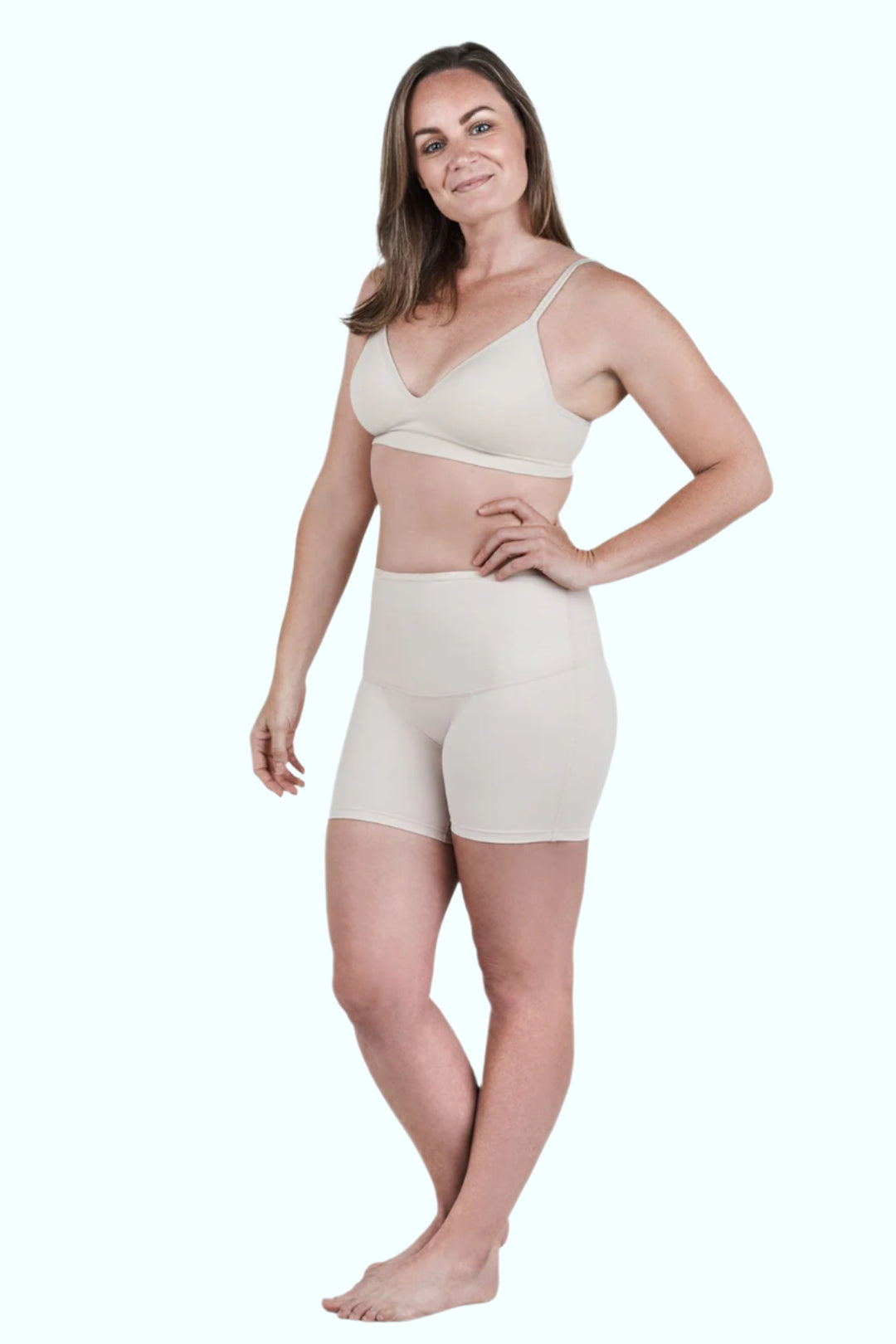
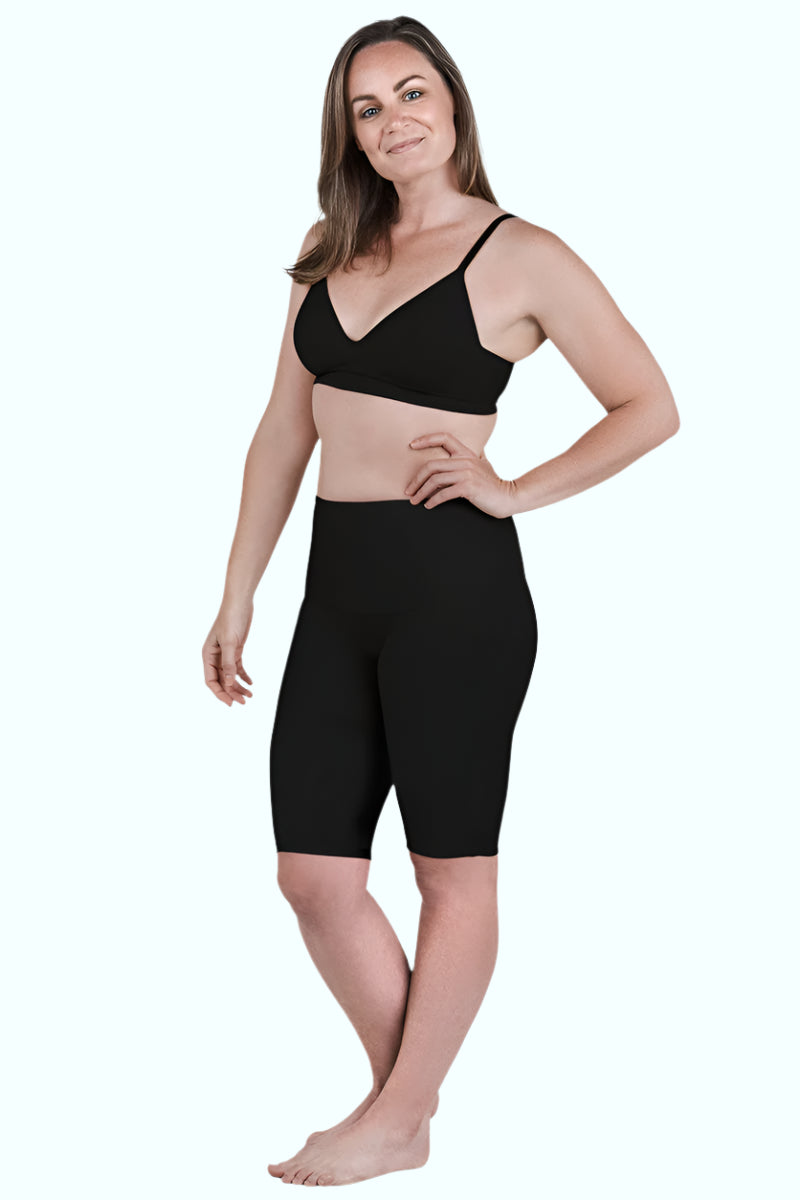
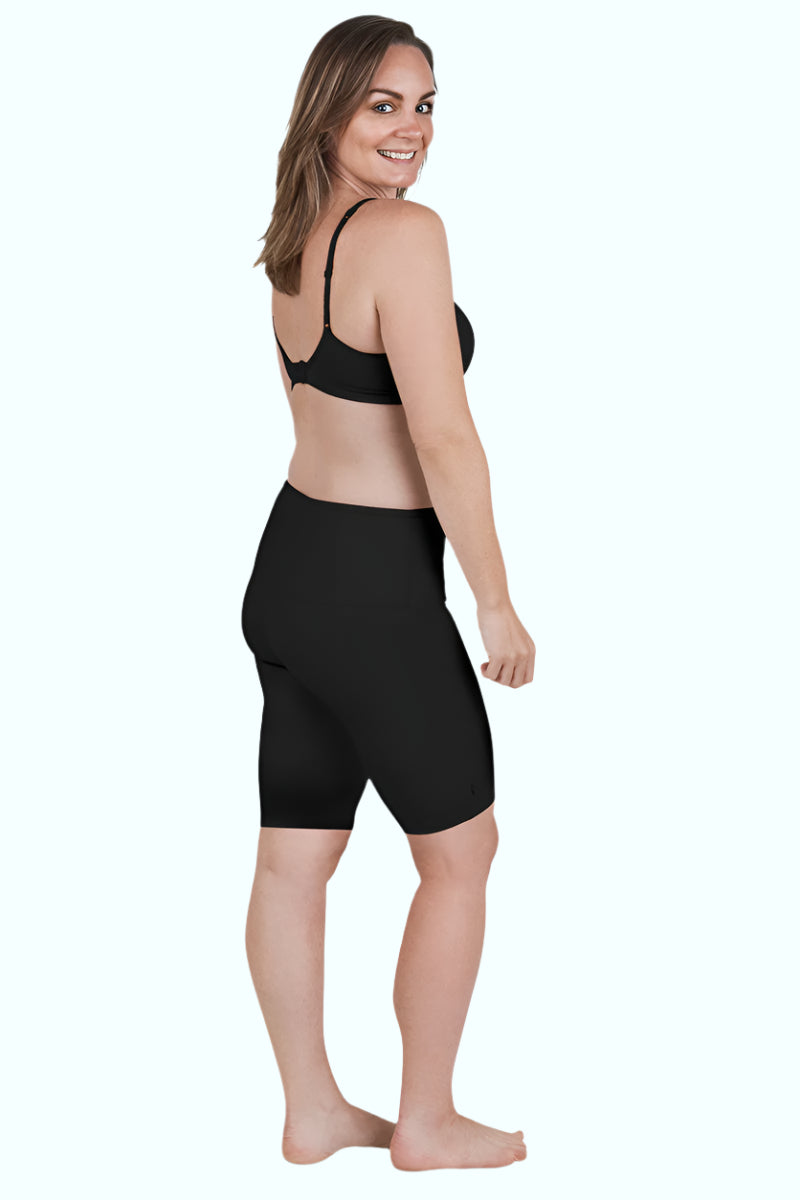
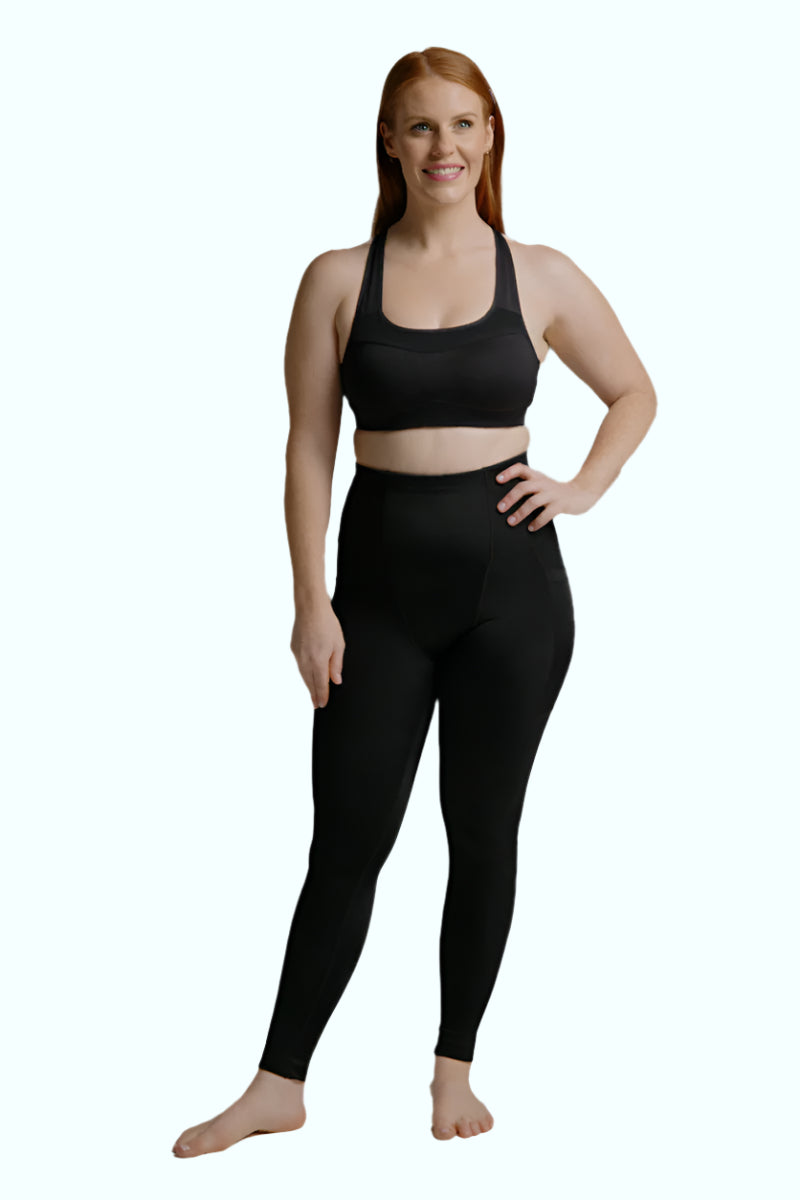
SRC Pregnancy Shorts and Leggings are designed to support the “baby-carrying” pelvis and lower back during pregnancy. Compression support may help reduce strain placed on the pelvic joints and surrounding muscles while improving comfort during daily activities.
By supporting the pelvis and lower abdomen, SRC garments can help women feel more stable and supported as pregnancy progresses.

-
Physical Therapy
A women’s health physiotherapist can assess movement patterns, pelvic stability, posture, and muscle tension to create an individualised management plan. -
Posture Coaching and Movement Training
Posture coaching and movement retraining can help reduce unnecessary stress on the coccyx during daily activities. -
Doctor-Approved Pain Relief
In some cases, healthcare providers may recommend pregnancy-safe pain relief options. Always speak with your doctor, obstetrician, or pharmacist before taking any medication during pregnancy.
5 Safe Stretches for Tailbone Pain During Pregnancy
Before beginning any exercise or stretching routine during pregnancy, speak with your healthcare provider, particularly if you have pelvic girdle pain, preterm labour concerns, or a high-risk pregnancy. Here are some of the safe stretches you can do to relieve tailbone pain during pregnancy.
-
Child’s Pose
This gentle stretch helps lengthen the lower back and relax pelvic tension.- Kneel on the floor with knees apart
- Sit back toward the heels
- Reach arms forward
- Hold for 20–30 seconds while breathing deeply
-
Cat-Cow Stretch
This movement improves spinal mobility and reduces lower back tension.- Start on hands and knees
- Slowly arch the back upward
- Then gently lower the belly while lifting the chest
- Repeat slowly for 8–10 repetitions
-
Pelvic Tilts
Pelvic tilts help strengthen core support muscles and improve pelvic positioning.- Stand against a wall or position on hands and knees
- Gently tuck the pelvis under
- Flatten the lower back slightly
- Hold briefly and release
-
Piriformis Stretch
Tight glute muscles can contribute to tailbone discomfort.- Sit on a chair
- Cross one ankle over the opposite knee
- Lean forward slightly until a gentle stretch is felt in the buttocks
- Repeat on both sides
-
Hip Flexor Stretch
Tight hip flexors can increase pelvic strain.- Kneel in a lunge position
- Gently shift weight forward
- Keep the torso upright
- Hold for 20–30 seconds
Can Tailbone Pain Be Prevented?
You cannot always prevent tailbone pain during pregnancy, but certain habits may reduce the risk or severity.
-
Practise Good Posture
Maintaining a healthy posture throughout pregnancy can reduce stress on the pelvis and lower spine. -
Wear Compression Garments
SRC Pregnancy Shorts and Leggings provide targeted compression and support for the pelvis, lower back, and abdominal area. Supporting the “baby-carrying” pelvis may help reduce excessive strain and improve comfort during movement and daily activities. -
Use a U-Shaped Cushion
A coccyx cushion helps relieve direct pressure on the tailbone while sitting. -
Take Regular Breaks From Sitting
Frequent movement helps reduce stiffness, improve circulation, and minimise prolonged coccyx pressure. -
Try Exercises That Strengthen Your Muscles
Gentle strengthening exercises for the core, glutes, pelvic floor, and hips can improve support around the pelvis and lower back.
When Should You See Your Doctor?
Tailbone pain during pregnancy is common, but some symptoms should always be assessed by a healthcare professional. Speak with your GP, Obstetrician, Midwife, or Women’s Health Physiotherapist if you experience any of these symptoms:
- Severe or worsening pain
- Pain after a fall or injury
- Numbness or weakness
- Difficulty walking
- Fever
- Loss of bladder or bowel control
- Vaginal bleeding
- Contractions or pelvic pressure before term
- Pain that interferes significantly with sleep or daily activities
A healthcare provider can assess whether the pain is related to the coccyx, pelvic girdle, sciatic nerve irritation, or another condition.
Finding Comfort and Support Through Every Stage of Pregnancy
Pregnancy places extraordinary demands on the body, and tailbone pain can make everyday activities more difficult and exhausting. Listening to your body, adjusting movement patterns, and seeking support early can make a meaningful difference in comfort and mobility.
While some discomfort may be unavoidable, supportive strategies such as posture changes, gentle movement, physiotherapy, coccyx cushions, and compression support can help women stay more comfortable throughout pregnancy.
SRC compression garments are designed to support women through pregnancy and postpartum recovery by stabilising the pelvis, supporting the lower back, and improving comfort during everyday movement.
FAQs
1. Will tailbone pain improve after childbirth?
For many women, tailbone pain improves after childbirth as hormone levels normalise and pressure from the baby is removed. However, some women may continue experiencing symptoms postpartum, particularly if there was coccyx trauma during delivery or underlying pelvic dysfunction.
2. How is tailbone pain diagnosed?
Diagnosis is usually based on symptoms, medical history, and physical examination. A healthcare provider may assess posture, movement, pelvic alignment, and tenderness around the coccyx.
3. How to sleep with tailbone pain?
Sleeping on your side with a pillow between the knees may help reduce pressure on the pelvis and coccyx. Pregnancy pillows may also improve comfort and support.
4. Can sitting worsen tailbone pain?
Yes. Sitting for prolonged periods, particularly on hard surfaces, can increase pressure on the coccyx and worsen symptoms.
5. Is heat or ice better for tailbone pain?
Both may help depending on the type of discomfort. Ice can help reduce inflammation and sharp pain, while heat may relax tight muscles and ease stiffness. SRC Relief Heat and Ice Packs may provide convenient targeted relief.
6. Can I use a cushion for tailbone pain?
Yes. A U-shaped or coccyx cushion is commonly recommended to reduce direct pressure on the tailbone while sitting.