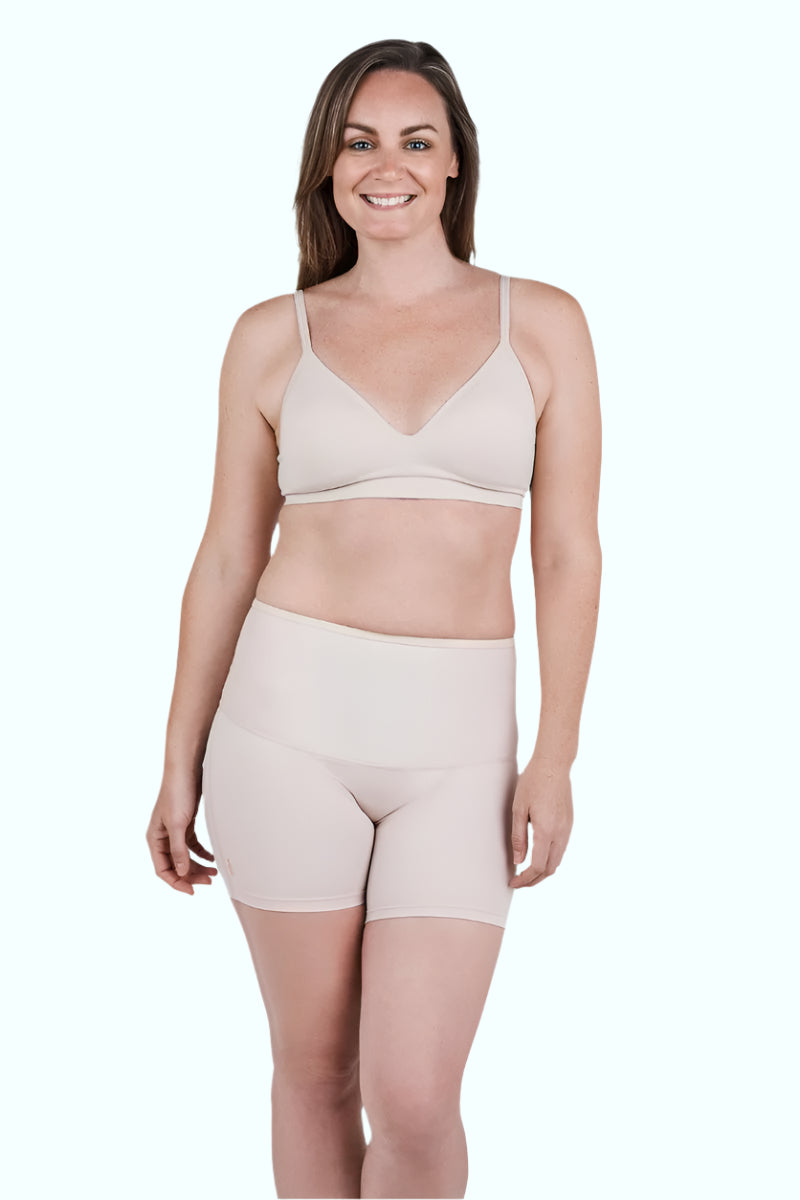
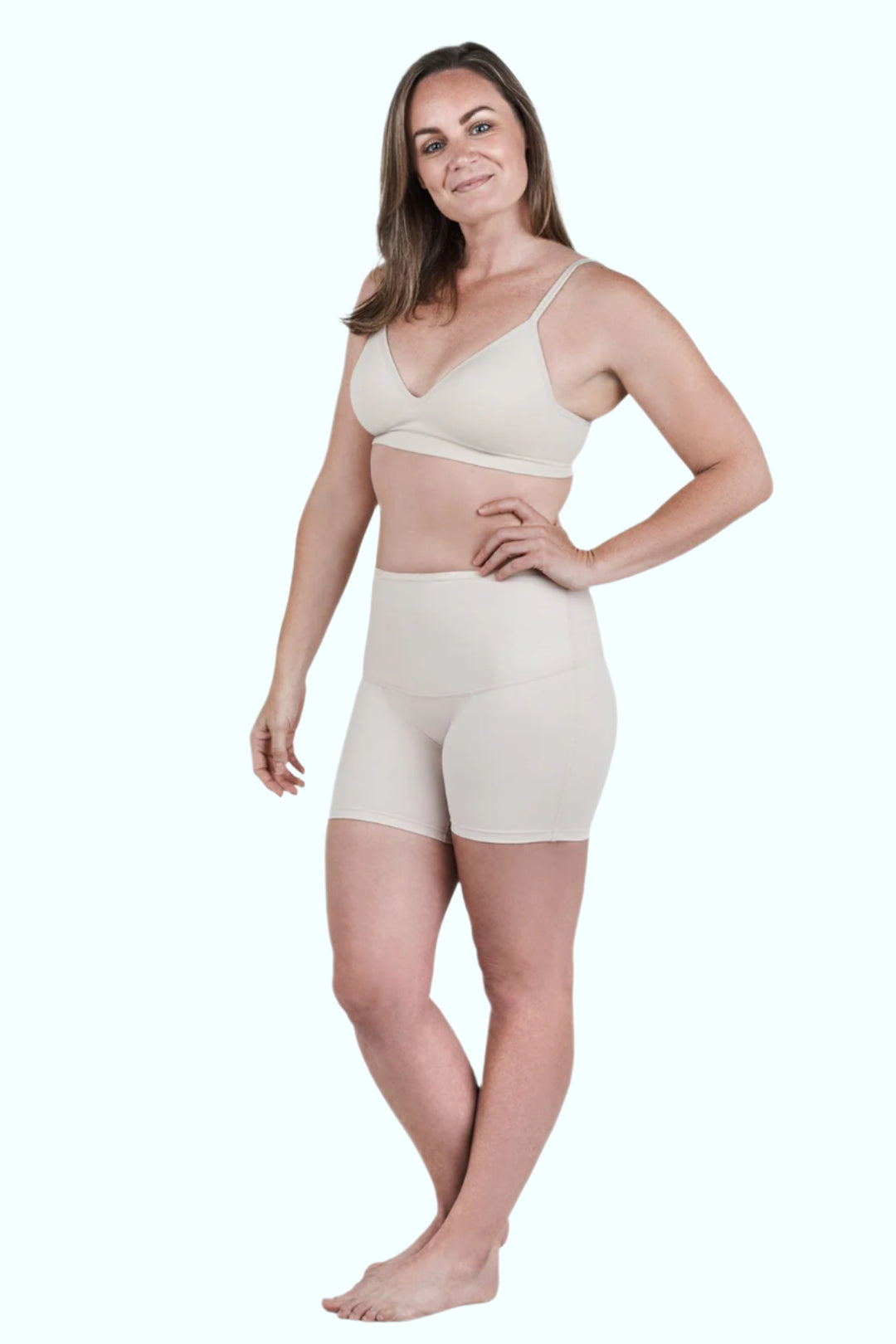
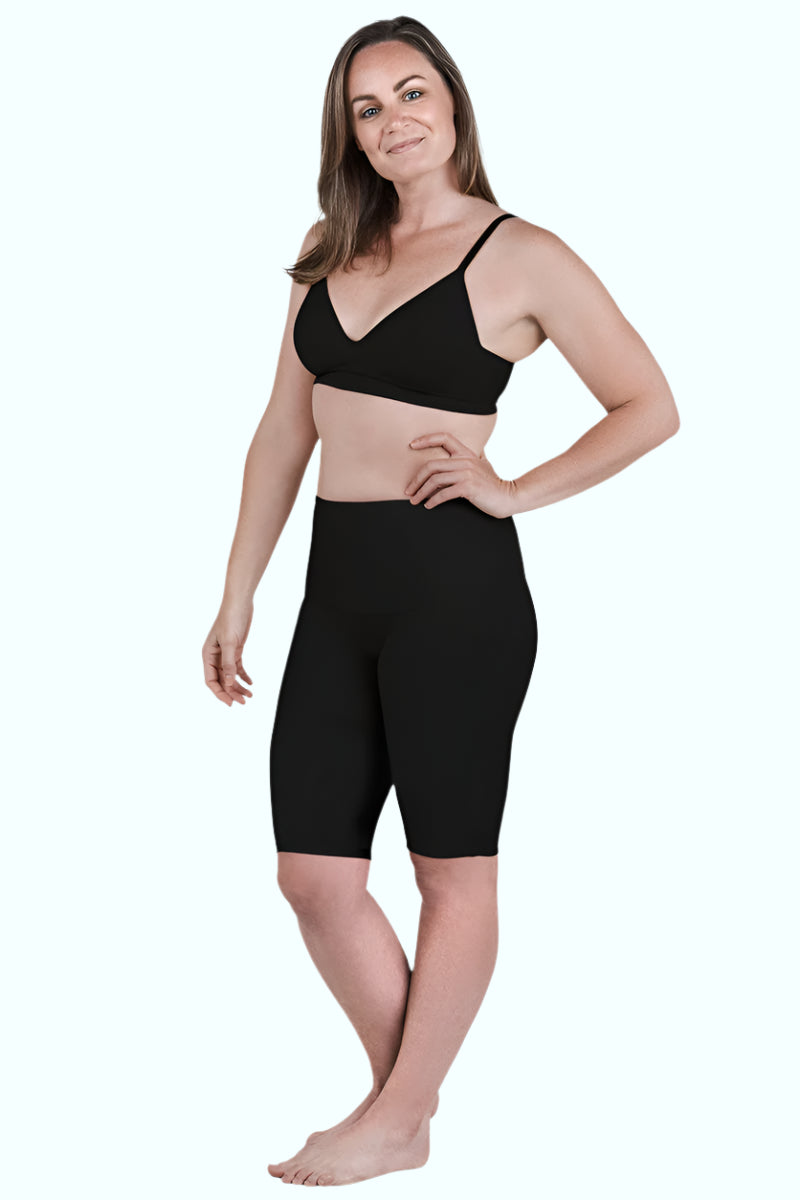
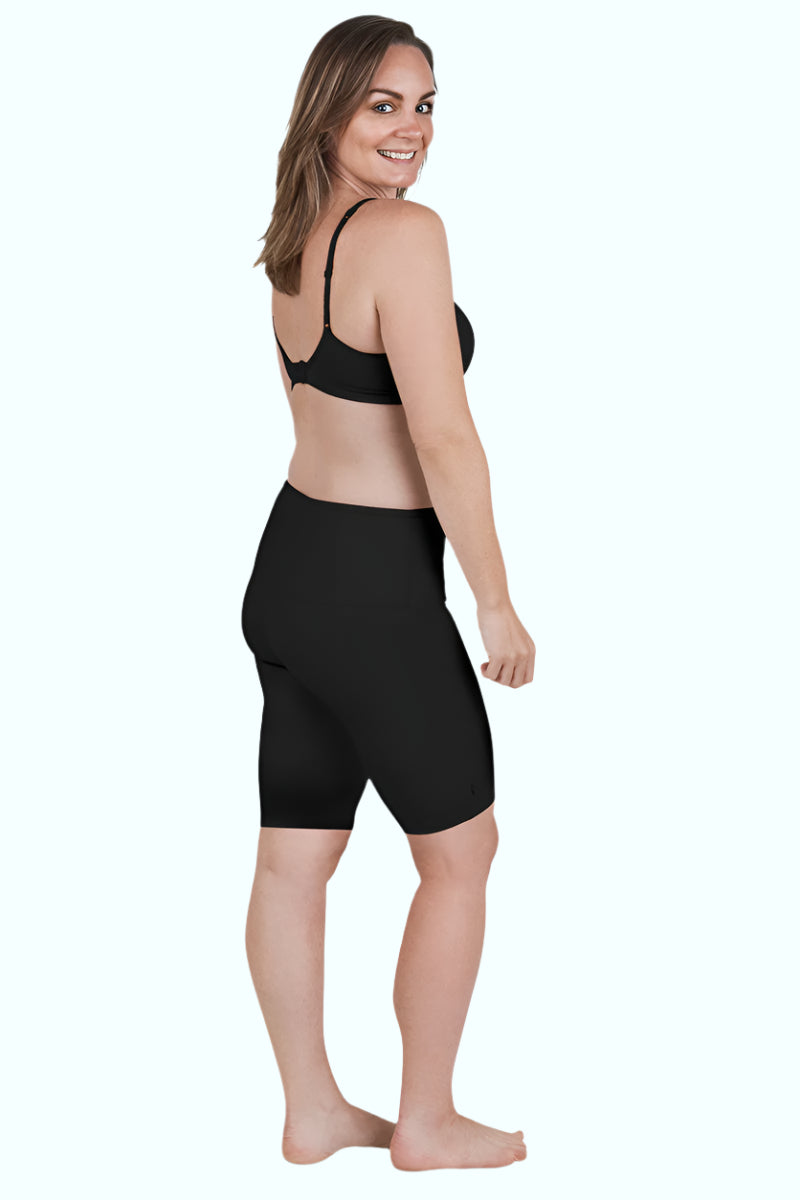
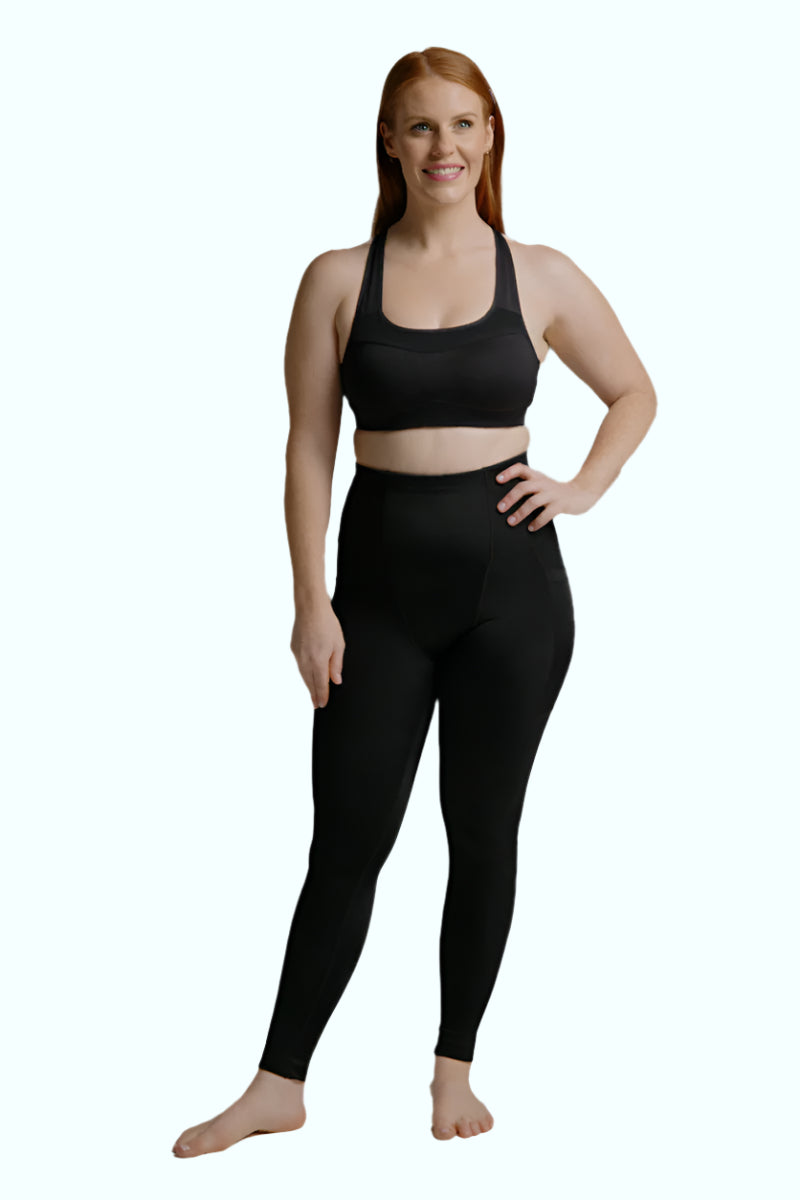
As pregnancy progresses, your body undergoes rapid and remarkable changes, faster than your wardrobe can keep up. Your growing bump, changing posture, centre of gravity, and increased strain on muscles and joints all mean one thing: your body needs the right kind of support. While some may consider maternity shapewear for a smoother silhouette, choosing a maternity compression garment isn’t just about appearance; it’s about comfort, safety, and adapting to your changing body.
Shapewear vs. Medical-Grade Compression Garments: What’s the Difference?
Understanding the difference between these two categories is key to making the right choice during pregnancy.
Shapewear is designed primarily for aesthetic purposes. It smooths, contours, and compresses body areas to create a streamlined silhouette under clothing. There are many types of shapewear, from light smoothing garments to high-compression pieces, but most are not designed with pregnancy in mind.
Medical-grade pregnancy garments, on the other hand, are purpose-built to support the body during pregnancy and postpartum recovery. “Medical grade” means the compression level is tested, consistent, and generally clinically tested. These garments are designed to improve circulation, support muscles and joints, and accommodate a growing bump safely.
| Feature | Shapewear | Medical Grade Pregnancy Garments |
|---|---|---|
| Purpose | Aesthetic shaping and smoothing | Functional support for pregnancy and recovery |
| Compression Level | Often high, not regulated | Graduated, controlled, and safe |
| Belly Accommodation | Limited or restrictive | Designed to expand with your bump |
| Material/Fabrics | May be stiff or synthetic-heavy | Breathable, flexible, moisture-wicking |
| Fit and Adjustability | Fixed sizing, minimal adaptability | Adjustable and designed to grow with you |
| Functional Body Support | Minimal structural support | Targets the pelvis, pelvic floor, back, and core. |
| Breathing and Comfort | Can feel restrictive | Designed for all-day comfort |
| Medical Certification | None | Clinically tested |
| Pregnancy Safety | Not specifically designed for pregnancy | Designed specifically for pregnancy use |
While not all shapewear is harmful, high-compression shapewear can pose risks during pregnancy by being less “supportive hug” and more “overenthusiastic squeeze,” especially when worn for long periods. Potential concerns include:
-
Restricted circulation
-
Increased abdominal pressure
-
Discomfort and overheating
-
Skin irritation or chafing
The key issue is that traditional shapewear is not designed to accommodate a growing uterus or the physiological changes of pregnancy. For a deeper dive, read our blog, Can You Wear Shapewear When Pregnant? Safety, Risks, and Better Options.
Benefits of Medical-Grade Pregnancy Compression Garments
Medical-grade compression garments are designed with both safety and function in mind, offering several important benefits:
Support circulation and reduce swelling: Graduated compression helps promote blood flow, which can reduce swelling in the legs and pelvic region.
Alleviate back and pelvic pain: By supporting the abdomen and stabilising the pelvis, these garments can reduce strain on the lower back and pelvic joints.
Enhance posture and mobility: With improved core support, many women experience better posture and greater ease of movement throughout the day.
Supports your pelvic floor: Compression to the perineum in the SRC Pregnancy garments helps keep your pelvic floor strong.

When to Use Shapewear vs. Compression Garments
Shapewear
-
Everyday use: Not generally recommended during pregnancy, especially high-compression styles.
-
Casual wear: If worn, opt for very light, maternity-specific shapewear with minimal compression.
-
Special occasions: May be suitable for short-term wear if it is pregnancy-friendly and not restrictive.
Compression Garments
-
Medical scenarios: Compression garments are often recommended by healthcare providers for managing swelling, pelvic pain and weakness, or recovery after birth, surgical events such as C-sections, abdominal and gynaecological surgeries.
The Verdict: Which Maternity Garment Should You Choose?
Your needs will vary across each stage of pregnancy:
-
First trimester: Light support may be sufficient as your body begins to change.
-
Second trimester: Increased pelvic and pelvic floor support becomes more important.
-
Third trimester: Maximum support, comfort, and adaptability are key.
Your support needs grow right alongside your bump, and pretending otherwise usually ends in discomfort and an early change of outfit. For daily wear, exercise, or long periods of standing, medical-grade compression garments are the safer and more supportive option.
After understanding the broader benefits of compression, it’s worth noting that products like SRC Pregnancy Shorts and Leggings are specifically designed to deliver medical-grade support while remaining comfortable enough for everyday wear, supporting your body without restricting it.
When to Avoid Wearing Shapewear?
-
If it’s too tight or compressive. Wearing shapewear that squeezes your abdomen can restrict blood flow, worsen heartburn or indigestion, and even interfere with oxygen delivery through the placenta.
-
When you have pregnancy complications. Conditions like high blood pressure, gestational diabetes, placenta issues, or any high-risk pregnancy recommendation from your doctor are times to avoid shapewear entirely unless your healthcare provider explicitly approves it.
-
If you experience breathing, chest, or heart problems. Any pressure on your chest or abdomen that makes breathing harder, worsens heart symptoms, or causes dizziness is a sign to stop wearing shapewear.
If you’re experiencing pain or swelling, it’s always best to consult a healthcare provider.
How to Choose the Right Maternity Garment?
1. Measure Before You Buy
Always take accurate measurements before purchasing. Proper fit is essential for both comfort and effectiveness. Brands like SRC offer detailed sizing charts and videos to help you find the right fit.
2. Know What You Need
Different bumps need different things. You might prefer:
-
Over the Bump Pregnancy Shorts Mini: More suitable to wear under shorts, skirts and dresses.
-
Over the Bump Pregnancy shorts - Knee Length: Better blood circulation from the lower body than the mini.
-
Over the Bump Pregnancy Leggings: Best blood circulation from the legs back up towards the heart, great value for money, especially being a wardrobe staple that can be worn to the gym and also to work.
-
Under the Bump Pregnancy Shorts: are ideal for those who prefer not to cover the bump, have sensitive or itchy skin, or feel hot.
3. Pick Breathable, Comfortable Fabrics
Look for soft, breathable materials that move with your body. SRC garments use moisture-wicking fabric that helps regulate body temperature and may reduce odour, particularly important during pregnancy.
4. Focus on Comfort
If a garment feels restrictive, digs in, or causes discomfort, it’s not the right choice. Comfort should always come first.
5. Adjust As You Grow
Your body will continue to change, so flexibility is key. SRC garments feature anti-chafing fabrics and adjustable waistbands that grow with your bump, helping prevent irritation, friction, and overheating.
Wear the Right Maternity Garment that Grows With You
Pregnancy is not the time to prioritise appearance over wellbeing. The right garment should support your body, adapt as you grow, and enhance your comfort, not restrict it. By choosing medical-grade compression over traditional shapewear, you’re making a decision that supports both your health and your daily comfort.
FAQs
1. Can I wear a medical-grade compression garment as shapewear?
Yes, many women find that medical-grade compression garments provide a smooth silhouette while also offering functional support.

2. Can compression garments be used postpartum?
Absolutely. Garments like SRC Recovery Shorts and Leggings are designed to support healing, improve circulation, and stabilise the core after birth.
3. How many hours a day should you wear compression garments?
This depends on your needs, but many are designed for all-day wear. Always follow product guidelines or your healthcare provider’s advice.
4. How tight should maternity compression garments be?
They should feel firm and supportive, but never restrictive or uncomfortable. You should be able to breathe and move freely.
5. Can compression garments be worn throughout pregnancy?
Yes. Products like SRC Pregnancy Compression Garments are specifically designed to adapt to each stage of pregnancy.
6. Can shapewear help with postpartum recovery?
Traditional shapewear is not ideal for recovery, as it will deactivate your muscles, causing long-term muscle weakness if worn for extended periods. Instead, recovery shorts for post-pregnancy, like SRC Recovery Shorts and Leggings provide targeted support that promotes healing and comfort.