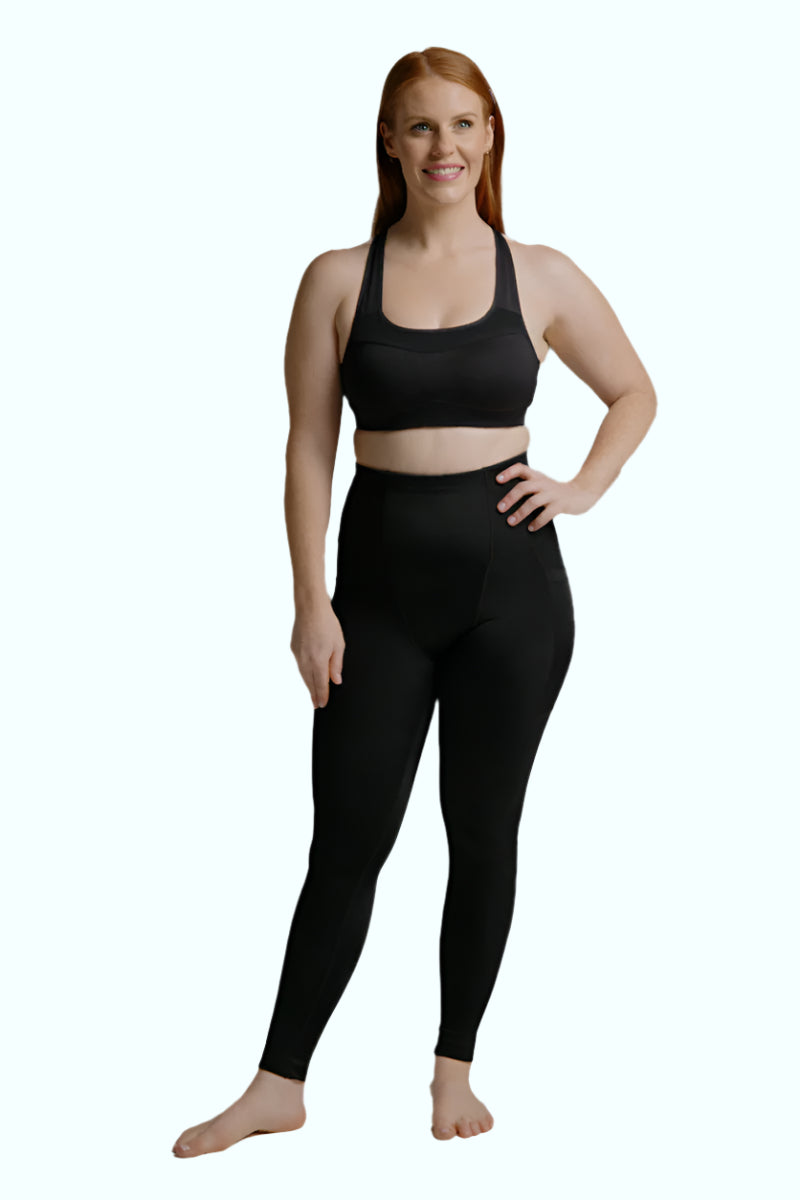
Pregnancy changes your body faster than a toddler changes their mind. One day, your favourite jeans fit perfectly, and the next, you’re wondering if wearing a bedsheet as a toga is a socially acceptable fashion choice. As your bump grows and your centre of gravity shifts, it is completely normal to look for a garment that offers a bit of "hold" and stability. However, when it comes to your midsection, choosing the right support is a top priority for both your comfort and your baby's safety.
In fact, many expecting mothers start asking questions like, “Can you wear shapewear while pregnant?” especially as they try to balance comfort with confidence in their changing bodies. But is maternity shapewear actually an ideal garment to wear when you are expecting? While there are different types of garments designed for different stages of life, understanding the difference between a "squeeze" and "support" is vital.
Regular vs. Maternity Shapewear: What’s the Difference?
| Feature | Regular Shapewear | Maternity Shapewear |
|---|---|---|
| Compression Level | High and uniform to "slim" the body | Variable; lighter over the stomach |
| Belly Accommodation | None; usually flattens the stomach | Expandable panels for a growing bump |
| Fabrics | Often thick and less breathable | Stretchy, soft, and breathable |
| Fit and Adjustability | Static fit is designed for pre-pregnancy | Often allows for some growth |
| Functional Body Support | Purely aesthetic | Some support for the back and hips |
| Blood Flow Effects | Can restrict circulation if too tight | Designed to minimise restriction |
| Breathing and Comfort | Can feel restrictive or hot | Prioritises ease of movement |
Is Shapewear Safe During Pregnancy?
The answer depends heavily on the type of garment and how long you wear it.
During the first, second, and third trimesters, your body undergoes significant internal changes. Regular high-compression shapewear is generally not recommended for pregnant women because it can restrict blood flow, impact your digestion (which is already slow enough during pregnancy!), and even lead to issues like yeast infections if the fabric isn't breathable.
Dr Sherry A. Ross, MD, author of ‘She-ology. The Definitive Guide to Women’s Intimate Health’ confirms that safety comes down to fit and function. She warns that overly tight shapewear can cause pain and reduced circulation. Dr Ross specifically advises against waist trainers, noting that no pregnancy garment should ever compress your internal organs like your ribs or liver. If you feel discomfort or have trouble breathing, the garment is simply too tight. [1]
While light, non-restrictive wear for short durations (like a special event) might not pose immediate harm, the routine use of firm, regular compression shapewear is generally discouraged. So, if you are wondering, “Can I wear shapewear in early pregnancy?” the answer is usually yes, provided it isn't uncomfortably tight. However, as you move into the second and third trimesters, your body needs support rather than just "shaping."
Does Shapewear Affect the Baby’s Growth?
It is a scary thought, but many mums worry that wearing something tight will "squish" the baby. Most medical experts agree that your baby is well-protected by the amniotic sac and your own muscle and tissue. However, excessive external pressure from very tight shapewear or waist trainers can affect the mother's health.
If a garment is tight enough to restrict your circulation or breathing, it can indirectly affect your baby’s environment. Your body needs to be able to pump blood efficiently to the placenta. Therefore, while it might not physically "limit" the baby's growth in a literal sense, it makes for a very uncomfortable and potentially restricted environment for you.
Why Some Women Start With Shapewear in Early Pregnancy
Many women find initial relief from mild compression around the abdomen and hips, especially during that "in-between" phase where your clothes don't fit but you don't quite have a full bump yet.
Other reasons mums reach for shapewear early on include:
-
Feeling more "secure" as the ligaments begin to loosen.
-
Managing early-stage bloating.
-
Wanting to smooth out the transition into maternity clothes.
When It’s Time to Shift Your Focus
As your pregnancy progresses, your body’s support needs change. Your posture shifts, your lower back takes more strain, and the risk of pelvic pain increases. This is the point where the body benefits from targeted support, stabilisation, and breathable, stretch-adaptive fabrics rather than just a smoothing effect.
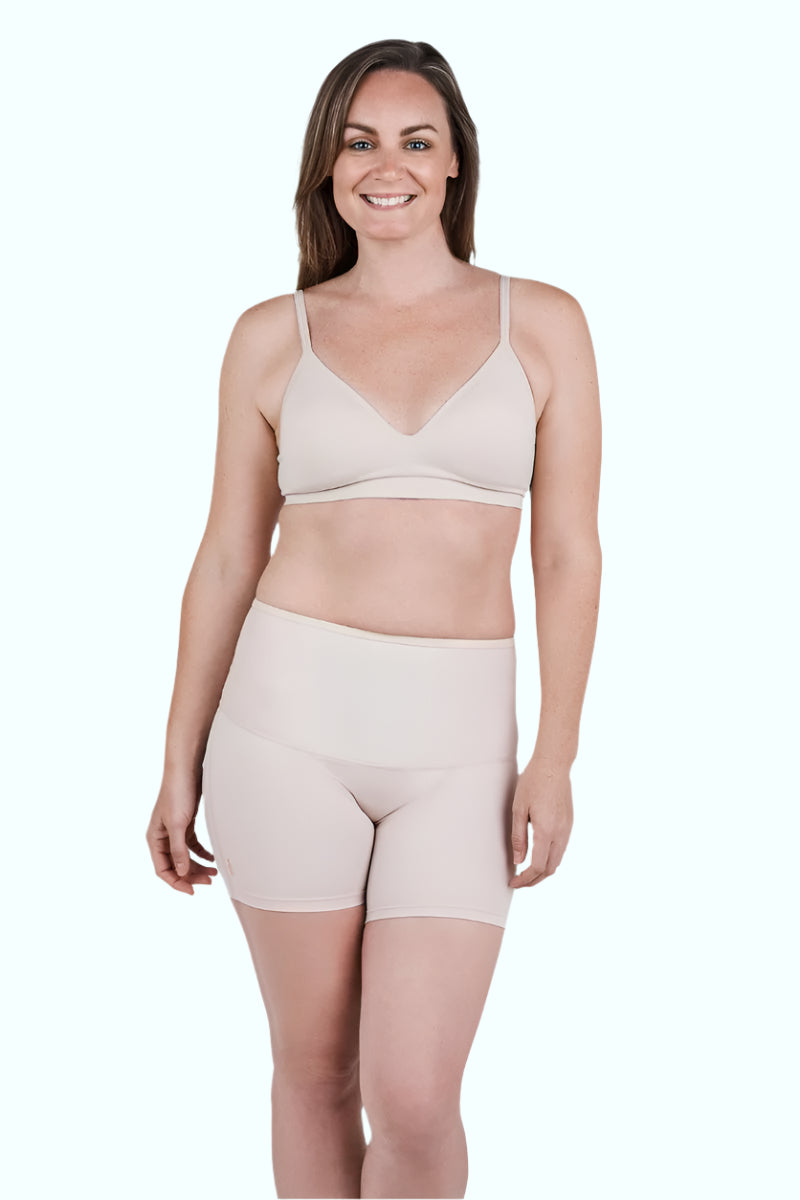
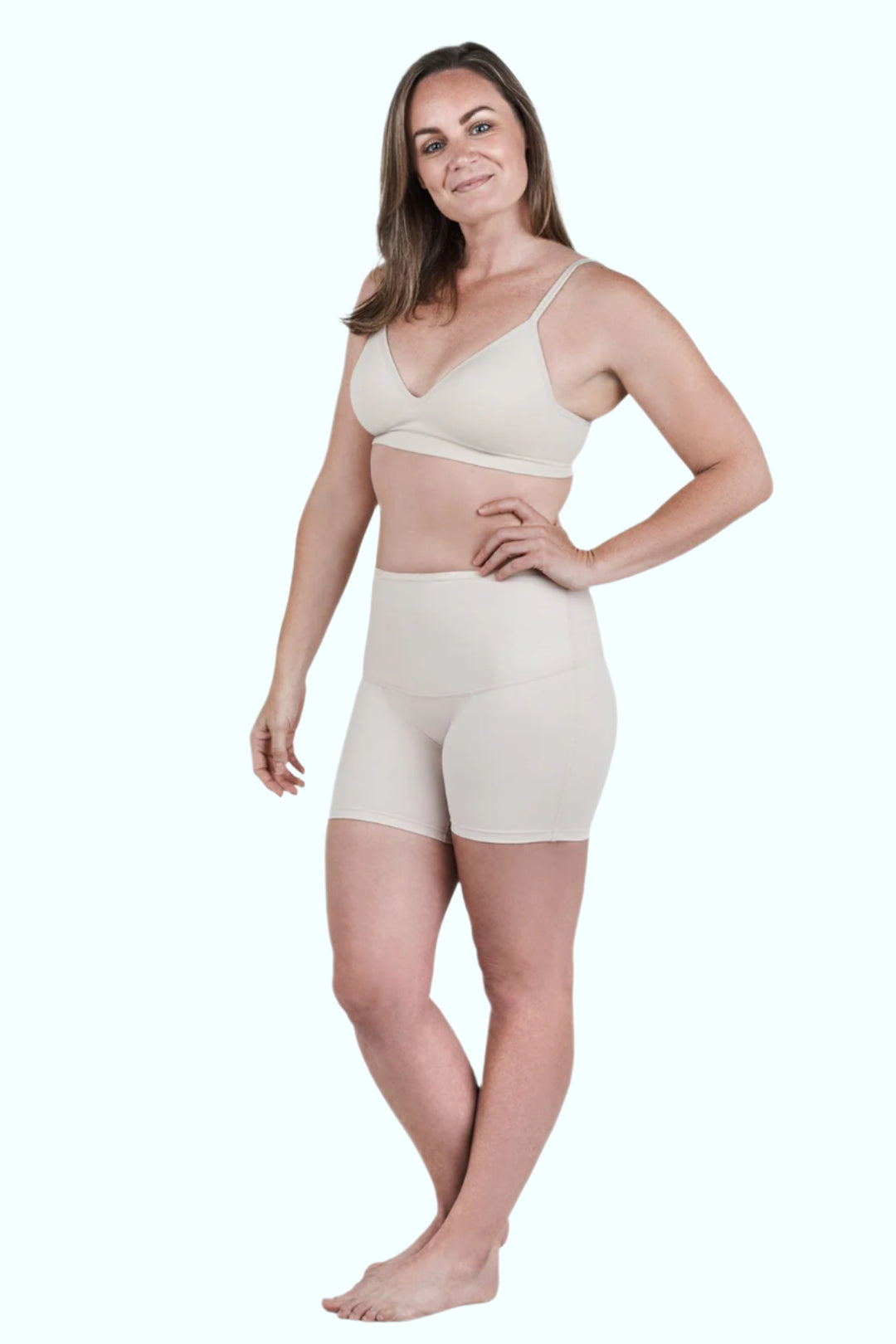
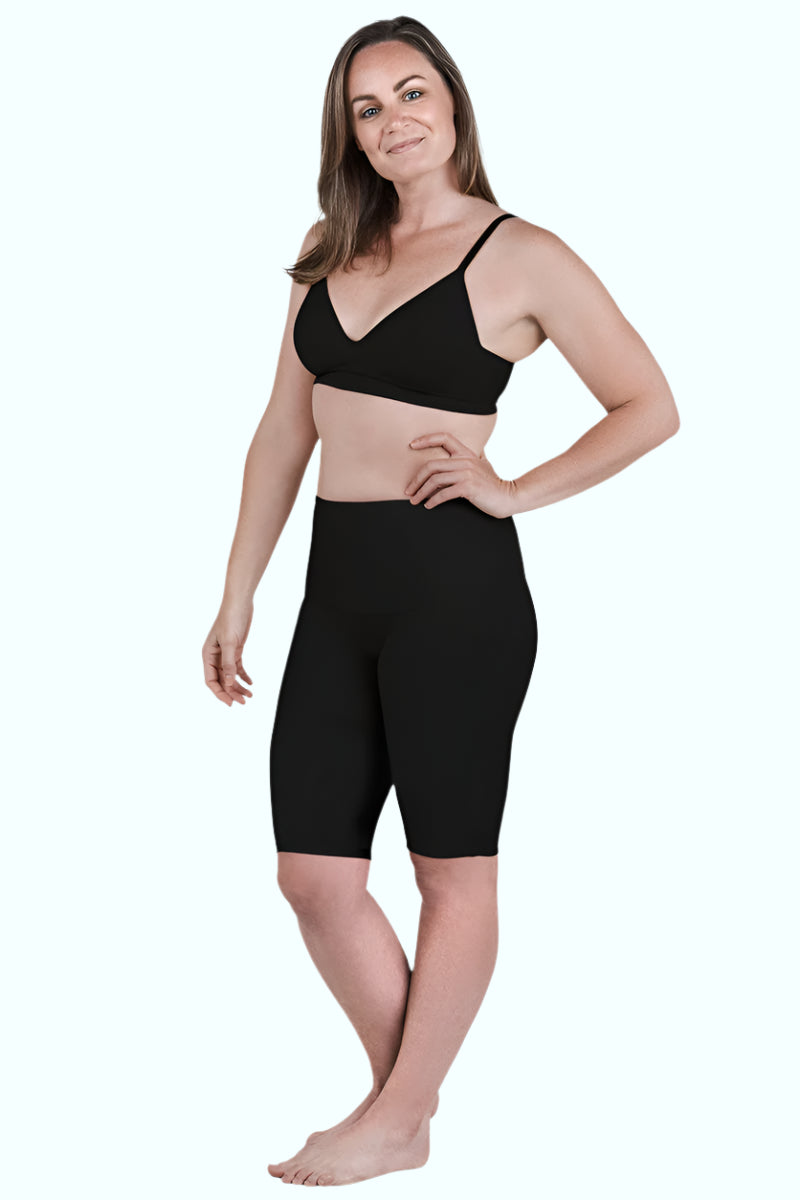
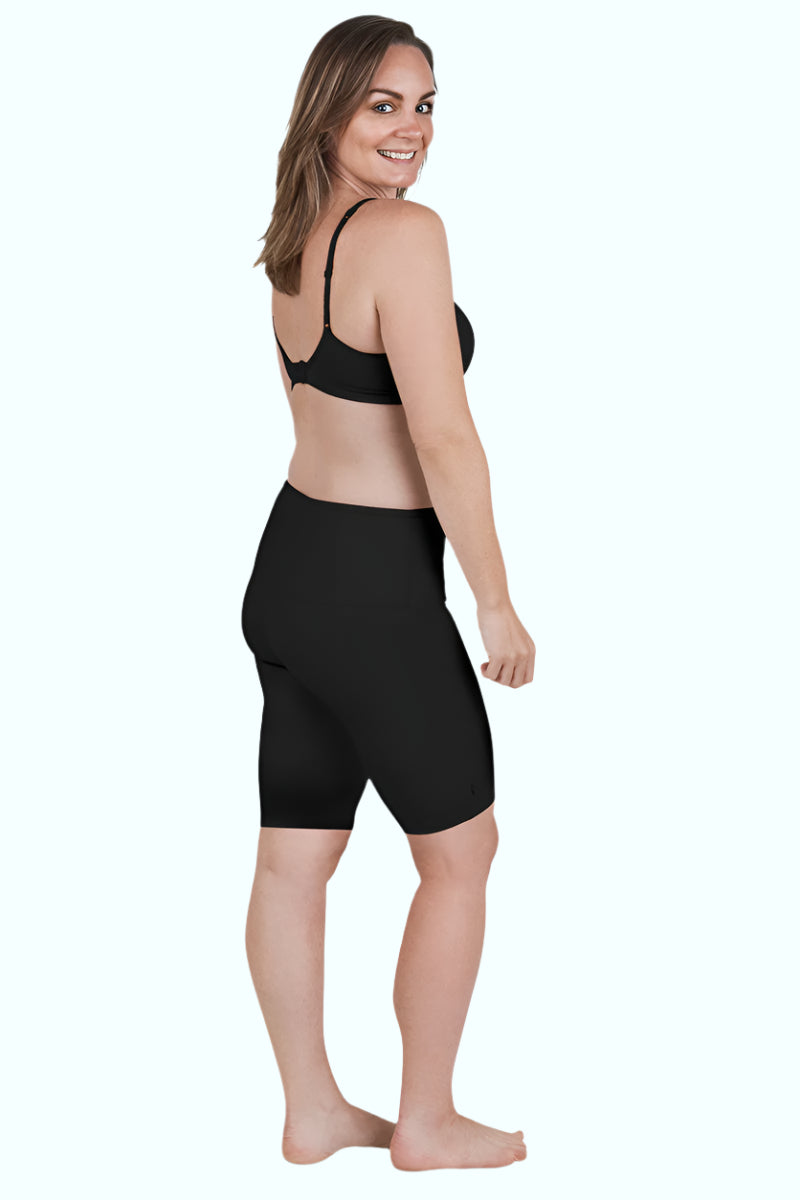
This is where medical-grade pregnancy garments come in. Unlike "shapewear," which is for looks, medical-grade garments are designed for health. They provide targeted compression to support the pelvic floor and lower back. SRC Pregnancy Shorts & Leggings are specifically engineered to provide this level of support without the dangerous "squeeze" of traditional shapewear. They are designed by women, for women, to actually treat the most common pains of pregnancy; pelvic girdle pain (PGP), lower back pain and vulval varicosities.
If you haven't heard of the term Pelvic Girdle Pain (PGP), you may be more familiar with the following specific conditions that fall under this heading:
Symphysis Pubis Dysfunction (SPD): Pain specifically located at the front of the pelvis (the pubic symphysis joint). This is also sometimes referred to as ‘lightning crotch’. Given its sudden, sharp, and often recurring nature, this is perhaps the one time when you desperately wish the old saying about “lightning never striking twice” was actually true.
Sacroiliac Joint (SIJ) Dysfunction: Pain in the lower back where the spine connects to the pelvis, often felt on one or both sides.
Coccyx Pain: Pain experienced in the area of the tailbone.
Pelvic Instability: A general term for when the pelvic joints move unevenly, leading to a "loose or wobbly" feeling.
When Is Shapewear Not Recommended
There are times when you should definitely put the shapewear back in the drawer:
-
If your doctor specifically advises against it.
-
If you experience any pain, numbness, or tingling in your legs or belly.
-
If you see redness or skin irritation.
-
If you have any breathing difficulties or severe heartburn.
-
In high-risk pregnancies or if you have a history of circulation issues.
How to Choose the Right Maternity Garment
Choosing the right maternity garment is essential for supporting your changing body while keeping you comfortable and safe throughout your pregnancy. Here are some practical tips to help you select garments that offer the right balance of support, flexibility, and ease for every stage.
1. Avoid Tight-Waist Trainers or Regular Shapewear
These are designed to restrict and have no place in a pregnancy wardrobe. Your organs are already being pushed around enough by your baby; they don't need extra pressure from the outside!
2. Choose a Proper Fit
A garment that is too small is useless and potentially harmful. SRC Health offers detailed size charts to ensure accurate measurements, so you get the support you need without discomfort.
3. Know What You Need
Different bumps need different things. You might prefer:
-
Over the Bump Pregnancy Shorts Mini: More suitable to wear under shorts, skirts and dresses.
-
Over the Bump Pregnancy shorts - Knee Length: Better blood circulation from the lower body than the mini.
-
Over the Bump Pregnancy Leggings: Best blood circulation from the legs back up towards the heart, great value for money, especially being a wardrobe staple that can be worn to the gym and also to work.
-
Under the Bump Pregnancy Shorts: are ideal for those who prefer not to cover the bump, have sensitive or itchy skin, or feel hot.
4. Pick Breathable, Comfortable Fabrics
Pregnancy makes you hot. It's a fact of life when you're carrying your own internal furnace! SRC’s materials are unique because they use Moisture Wicking Fabric that helps regulate your body temperature and can help eliminate the odour that comes with your own personal, 9-month heatwave.
5. Focus on Comfort
If you are constantly pulling, tugging, or wishing you could take it off, it is the wrong garment.
6. Avoid Hooks and Zippers
In the middle of the night (or for the 14th bathroom trip of the hour), you do not want to be fumbling with hooks, eyes, or zippers. Look for pull-on styles that don't dig into your skin.
7. Adjust As You Grow
The best maternity garments are an investment. SRC garments feature anti-chafing fabric and are designed to grow with your bump, and they can be used for consecutive pregnancies, especially as they have been tested to retain their effectiveness even after 100 washes! This helps you avoid irritation from friction, itchiness, and heat as your skin stretches.
Wear the Right Maternity Garment that Grows With You
The goal of maternity shapewear should be to make you feel supported, safe, and comfortable. While regular shapewear might seem like a quick fix for a smoothing effect, your body deserves medical-grade support that respects the incredible work it is doing.
Prioritise garments that help stabilise your pelvis and back, allowing you to stay active and comfortable throughout your 9-month marathon.
FAQs
1. Can you wear shapewear in early pregnancy?
Yes, as long as it is not overly restrictive and you don't wear it for extended periods. However, moving toward maternity-specific support early on will be much more comfortable in the long run.
2. Can maternity shapewear help with back pain or posture?
While some maternity shapewear provides a little help, medical-grade compression garments (like SRC) are specifically designed to treat back pain and improve posture by stabilising your pelvis.
3. Should I talk to my doctor before wearing shapewear or support garments?
If you have a high-risk pregnancy, a history of blood clots, or any concerns about your physical comfort, it is always a great idea to have a chat with your GP or midwife before trying new compression gear.
References:
-
https://www.refinery29.com/en-us/maternity-shapewear-safety-concerns