Deciding when to trade in your corporate lanyard for baby wipes is a major milestone in any pregnancy journey. There is no one-size-fits-all answer for when to start maternity leave. It's a delicate balance that depends heavily on your physical health, the nature of your job, and whether you can still see your own feet. Getting the timing right is essential not only for your own well-being and the health of your baby but also to ensure your employer has adequate time to manage your transition and find a replacement for your maternity leave who can figure out your coffee machine settings.
Physical Signs You Need to Rest During Pregnancy
As your pregnancy progresses, your body may provide several signs to stop working during pregnancy or at least scale back. It is important to listen to these cues, as ignoring them can impair your ability to work safely.
Common physical signs that tell you when to stop working during pregnancy include:
- Severe tiredness or exhaustion: The fatigue of the third trimester is real and can impact your cognitive function and safety.
- Significant swelling or mobility issues: Pelvic girdle pain or severe swelling (oedema) can make commuting feel like an elaborate obstacle course, and standing for long periods a new form of extreme sport.
- Morning sickness or nausea: If this persists into later stages, it can make maintaining a professional schedule very difficult, especially when the office kitchen smells like betrayal, and you've started taking client calls from the bathroom floor.

- High blood pressure: Conditions like pre-eclampsia require immediate rest and medical monitoring. This is your body's very serious way of saying: "The only high-pressure situation you should be in is figuring out which onesie to buy next."
- Frequent prenatal appointments: As you get closer to your due date, the sheer number of medical check-ups can make a standard work week feel like a side hustle between doctor visits.
Work-Related & Emotional Signs
1. Work-Related Signs
The physical demands of your job may dictate an earlier exit. If your role involves heavy lifting, long hours, or shift work, you may reach a point where these tasks are no longer safe or feasible. Occupational hazards or pregnancy-related conditions can make it increasingly difficult to keep up with the daily demands of your position.
2. Emotional or Functional Signs

If you find yourself struggling to work while pregnant, it might be due to emotional or functional strain. Overwhelming anxiety or stress about balancing deadlines with your impending birth can be a clear sign that you need to step away. You may find the daily commute increasingly burdensome or simply realise you need more time to prepare mentally and logistically for your new arrival.
When to Start Maternity Leave in Australia?
In Australia, the Fair Work Act provides clear guidelines on your entitlements. Under standard regulations, pregnant employees usually start their parental leave up to 6 weeks before the expected date of birth. [1] However, you can start earlier if your employer agrees to a different arrangement. [2]
If you are fit for work according to a medical certificate, but it is no longer safe for you to continue in your normal role (due to hazards or physical demands), your employer should transfer you to a "safe job." If no appropriate safe job is available, you may be entitled to take "no safe job leave" until your pregnancy ends or your parental leave starts.
How Long Is Maternity Leave in Australia?
How long maternity leave in Australia lasts depends on your specific employment agreement, but the National Employment Standards (NES) provide a baseline. The standard entitlement for eligible employees is up to 12 months of unpaid parental leave. You also have the right to request an extension of that leave for a further period of up to 12 months (bringing the total to 24 months), provided the request is in writing and given to your employer at least 4 weeks before the end of your initial 12-month period. [3]
How to Notify Your Employer of Your Maternity Leave
To ensure a smooth transition, follow these steps:
-
Provide your employer with at least 10 weeks' written notice of your intention to take leave.
-
Specify your intended start and end dates for continuous unpaid parental leave.
-
Include the total number of flexible unpaid parental leave days you intend to take.
-
At least 4 weeks before your start date, confirm those dates and the number of flexible days, or advise of any necessary changes.
-
Your employer may require evidence, such as a medical certificate, to confirm the expected date of birth. [4]
What to Do at Work Before Your Maternity Leave
Creating a comprehensive handover document. Make it so incredibly detailed that a substitute teacher could run the place. You don't want to get calls asking for the Wi-Fi password.
Training or briefing your replacement, if one has been appointed. Share all your secrets, especially the one about restarting the printer (it always works).
Aiming to finish all critical, outstanding tasks so your mind is clear. You deserve to focus on the truly hard work, like assembling flat-pack nursery furniture.
How to Prepare for Birth and Home Life After Maternity Leave
Once your leave begins, your focus shifts entirely to the baby. We recommend having your hospital bag packed by 36 weeks. You can use our Hospital Bag Checklist for Mums to ensure you don't miss any essentials.
It is also the time to ensure you have everything your little one needs by following a Newborn Baby Checklist.
Finally, line up your support network and establish a postpartum plan for those first few weeks at home.
What Happens After You Return to Work?
After completing your parental leave, you have a legal right to return to the same position you held before taking leave. If your original role no longer exists, your employer is required to offer you an available position that is closest in status and pay to your former role, provided you are qualified for it. [5]
Beyond simply returning to your role, you also have the right to request flexible working arrangements to help manage your new family responsibilities.
Understanding Your Right to Request Flexibility
Under the Fair Work Act, eligible employees who are parents or have responsibility for the care of a child can make a formal request for flexible working arrangements. [6]
Who is eligible: To make a request, you generally must have worked with your employer for at least 12 months.
Common examples of flexibility include:
-
Part-time hours: Reducing your total working days or hours per week.
-
Working from home: Performing some or all of your duties remotely.
-
Flexible start and finish times: Adjusting your daily schedule to better accommodate childcare pick-ups and drop-offs.
-
Job sharing: Splitting one full-time role between two employees.
How to request flexible working arrangements:
To ensure your request is formally recognised, it should be made in writing and detail the specific changes you are seeking and the reasons for them. Your employer must provide a written response within 21 days, stating whether they grant or refuse the request.
An employer can only refuse a request on reasonable business grounds. These might include the cost of the proposed arrangement, the potential impact on customer service, or the inability to organise work among existing staff.
While many families utilise government-funded Parental Leave Pay or employer-provided schemes, the baseline entitlement for all eligible Australian workers remains the 12 months of unpaid leave provided by the Fair Work Act. Planning for your return early and having an open conversation about flexibility can significantly ease the transition back to work.
Give Yourself the Space to Prepare for What Matters Most
Choosing when you should go on maternity leave is about balancing your professional life with the incredible journey of becoming a parent. Whether you work until your due date or choose to finish earlier to rest, prioritise what feels right for your body.
After all, your to-do list is about to shift from 'send quarterly report' to 'keep a tiny human alive,' and that job has terrible overtime and a cranky boss!
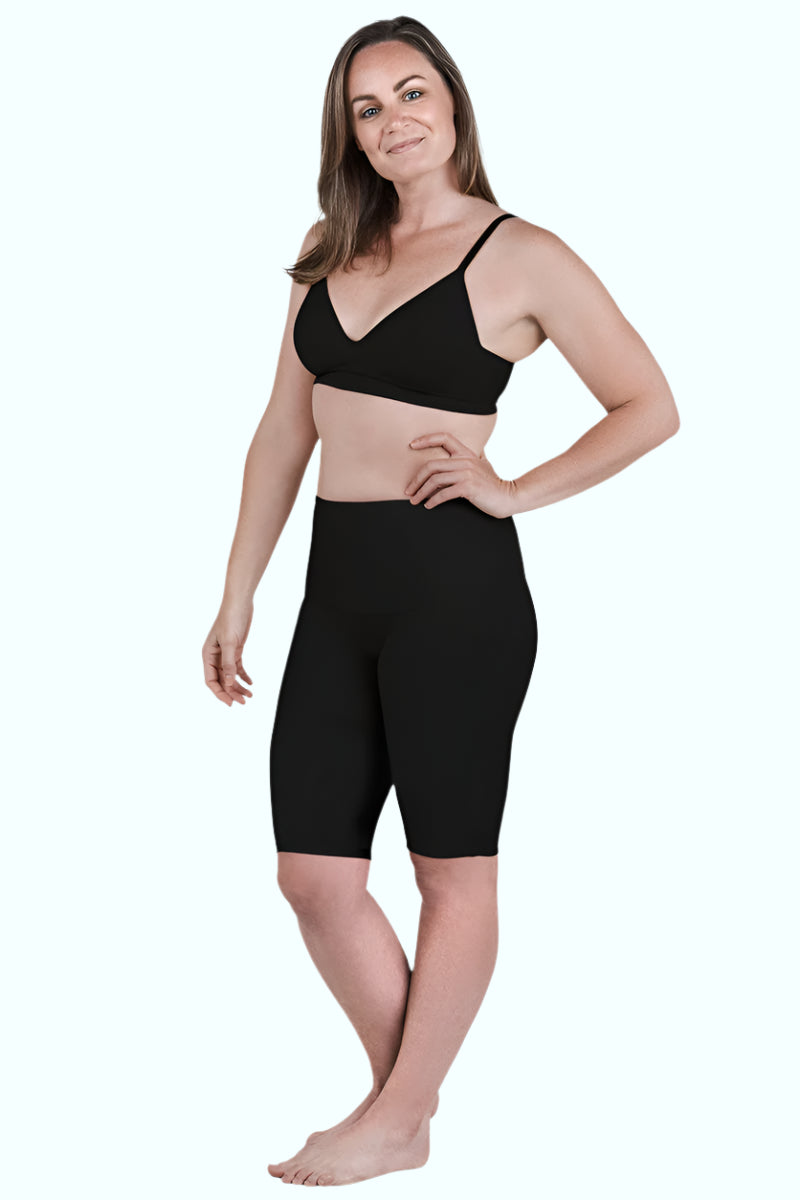
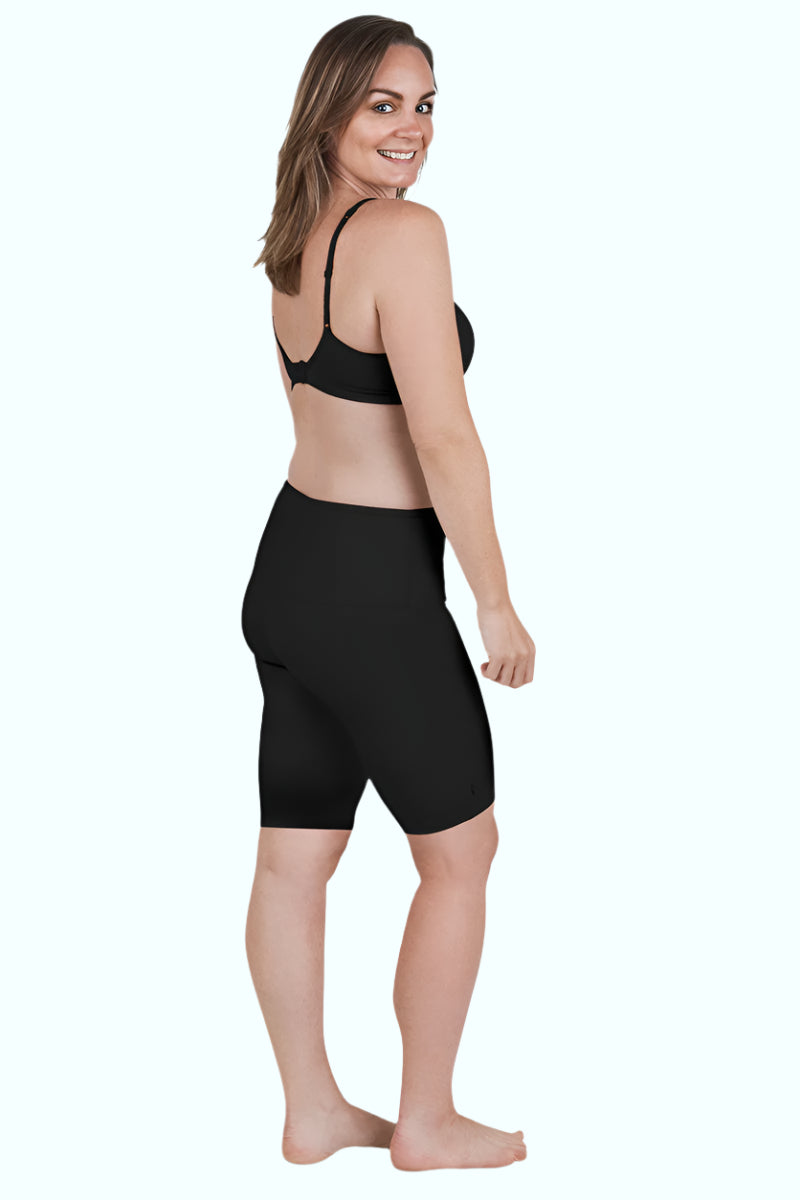
At SRC Health, we are proud to be a trusted partner for mums throughout their entire journey. From our medical-grade SRC Pregnancy garments that support you while you're still on the job, to our SRC Recovery range designed for your postpartum healing, we are here to support your life, so you can focus on your baby.
FAQs
1. Is 37 weeks too early to start maternity leave?
Not at all. Many Australian mums choose to start their leave between 34 and 37 weeks to allow time for rest and final preparations.
2. Is it safe to work until 38 weeks pregnant?
It can be, provided you have a low-risk pregnancy and a job that isn't physically demanding. Always follow your doctor's advice.
3. Can night shift affect pregnancy?
Some studies suggest consistent night shift work may increase the risk of complications like preterm birth. Discuss your roster with your GP.
4. How many hours should a pregnant woman work?
There is no legal limit, but you should adjust your hours based on your fatigue levels and any physical symptoms you are experiencing.
5. What if I go into labour or birth happens early? How does that affect my leave?
If birth happens earlier than your planned start date, your parental leave generally starts from the date of the birth. [7]
6. Am I eligible for parental leave if I’m a casual or part-time employee?
Yes, provided you have worked for your employer for at least 12 months on a regular and systematic basis.
7. Can my employer force me to start leave earlier?
Generally no, but if you are within 6 weeks of your due date, they can ask for a medical certificate confirming you are fit for work.
8. Can I work casually or from home during maternity leave?
In Australia, you can use "Keeping in Touch" days to perform work-related tasks for up to 10 days during your leave period without losing your entitlements.
Keeping in Touch (KIT) days are a practical way to dip your toes back into the work pond without losing your unpaid parental leave entitlements or ending your leave period early. Essentially, they allow you to perform work-related tasks for up to 10 days while you are still technically on leave.
Think of it as a way to stay in the loop on big projects or attend that one annual strategy meeting without having to commit to a full return just yet.
How KIT Days Work
To use a KIT day, both you and your employer must agree on the arrangement. You cannot be forced to work them, and you cannot demand to work them if your employer does not agree.
Common activities for these days include:
-
Attending a planning meeting or a team-building day.
-
Participating in training or a conference.
-
Assisting with a specific project handover or a busy period.
-
Getting a refresh on systems or software before your official return date.
Important Rules to Remember:
There are a few "fine print" details to keep in mind so everyone stays on the right side of the Fair Work Act:
Wait times: You generally cannot work a KIT day within the first 42 days after the birth or placement of your child. If you are feeling particularly eager and want to work one sooner, you must wait at least 14 days and your employer must agree.
Payment: You must be paid your normal wage for the hours worked on a KIT day. This is in addition to any government-funded Parental Leave Pay you might be receiving, though it is always worth checking with Services Australia to see how extra income might affect your specific payments.
Duration: Even if you only go in for a one-hour meeting, it counts as one full KIT day toward your total limit of 10. Try to batch your activities to make the most of each day.
Entitlements: Working these days does not end your parental leave or change your planned return-to-work date.
Using KIT days is a great way to ease the transition back to work and ensure that your first official day back doesn't feel like you have been away for a century. [8]
References:
-
https://www.fairwork.gov.au/leave/parental-leave/before-parental-leave/entitlements-while-pregnant
-
https://www.fairwork.gov.au/tools-and-resources/fact-sheets/minimum-workplace-entitlements/parental-leave-and-related-entitlements
-
https://www.fairwork.gov.au/leave/parental-leave/during-parental-leave/extending-parental-leave
-
https://www.fairwork.gov.au/leave/parental-leave/before-parental-leave/applying-for-parental-leave
-
https://www.fairwork.gov.au/leave/parental-leave/after-parental-leave/returning-to-work-from-parental-leave
-
https://www.fairwork.gov.au/leave/parental-leave/after-parental-leave/flexible-work-after-parental-leave
-
https://humanrights.gov.au/resource-hub/by-resource-type/publications/sex-and-gender-rights/employees-and-personal-leave
-
https://www.fairwork.gov.au/leave/parental-leave/during-parental-leave/keeping-in-touch-days