Postpartum back pain is incredibly common, yet it can feel deeply frustrating and isolating, especially when you’re adjusting to life with a newborn. Many women expect aches during pregnancy but are surprised when back pain lingers, shifts, or even first appears after birth. Research shows that around 45 to 70% of women experience lower back pain during postpartum, and about 20 to 30% continue to have ongoing or recurrent pain for many months, or even years, postpartum.
The good news is, postpartum back pain is usually very treatable with the right combination of home care, professional support, and patience.
What Is Postpartum Back Pain & What Causes It?
Postpartum back pain refers to discomfort in the lower, middle, or upper back that develops or persists after childbirth. It is a multifactorial condition, meaning that several interacting causes contribute to symptoms.
Common causes include:
-
Hormonal changes: Pregnant hormones like relaxin loosen ligaments and joints to allow childbirth. These effects can persist for weeks to months postpartum, reducing spinal and pelvic stability.
-
Postural changes: Carrying pregnancy weight shifts your centre of gravity and alters muscle balance; postural habits often continue after birth.
-
Weak or imbalanced core muscles: Abdominal stretching and diastasis recti reduce core support for the spine.
-
Pre-existing back problems: Prior back pain increases the likelihood of lingering pain after delivery.
-
Repetitive strain from caregiving: Frequent bending, holding, lifting, feeding, and carrying a baby can overload muscles and joints.
Postpartum Back Pain Relief Tips You Can Try at Home
Small, consistent changes at home can make a big difference to pain levels and long-term recovery. Here are some tips on how to relieve back pain postpartum:
1. Practise Good Posture
Mindful posture, especially while feeding, lifting, or carrying your baby, can reduce unnecessary strain on the spine. Keep your shoulders relaxed, engage your deep abdominal muscles, and avoid prolonged slouching.
2. Wear Recovery Garments
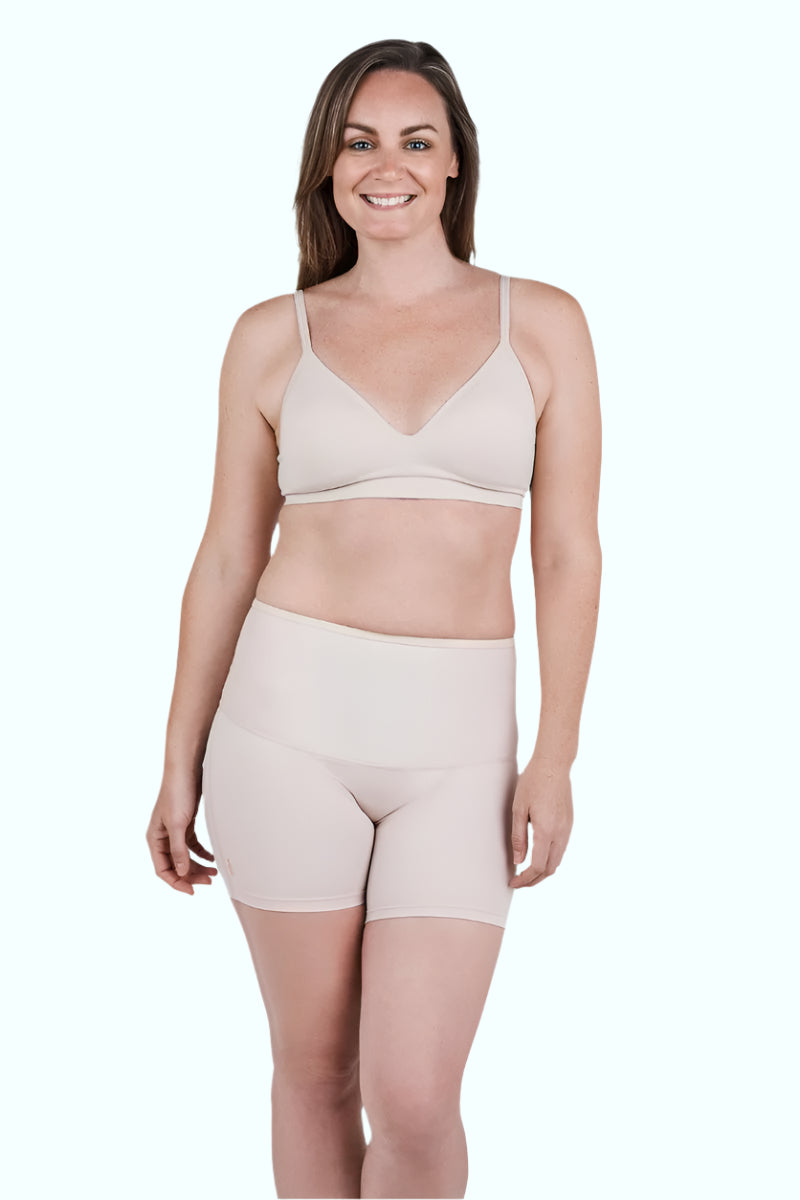
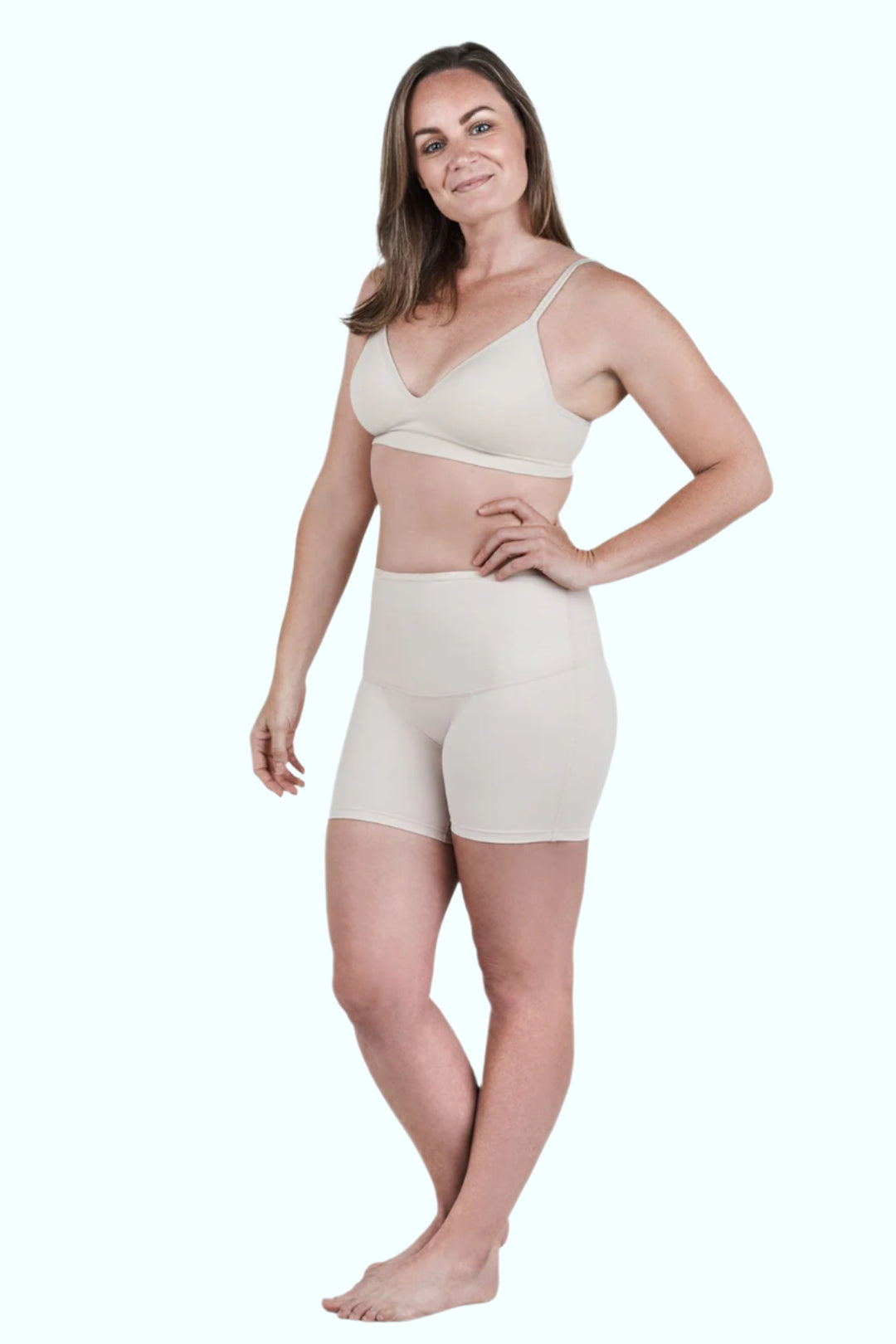
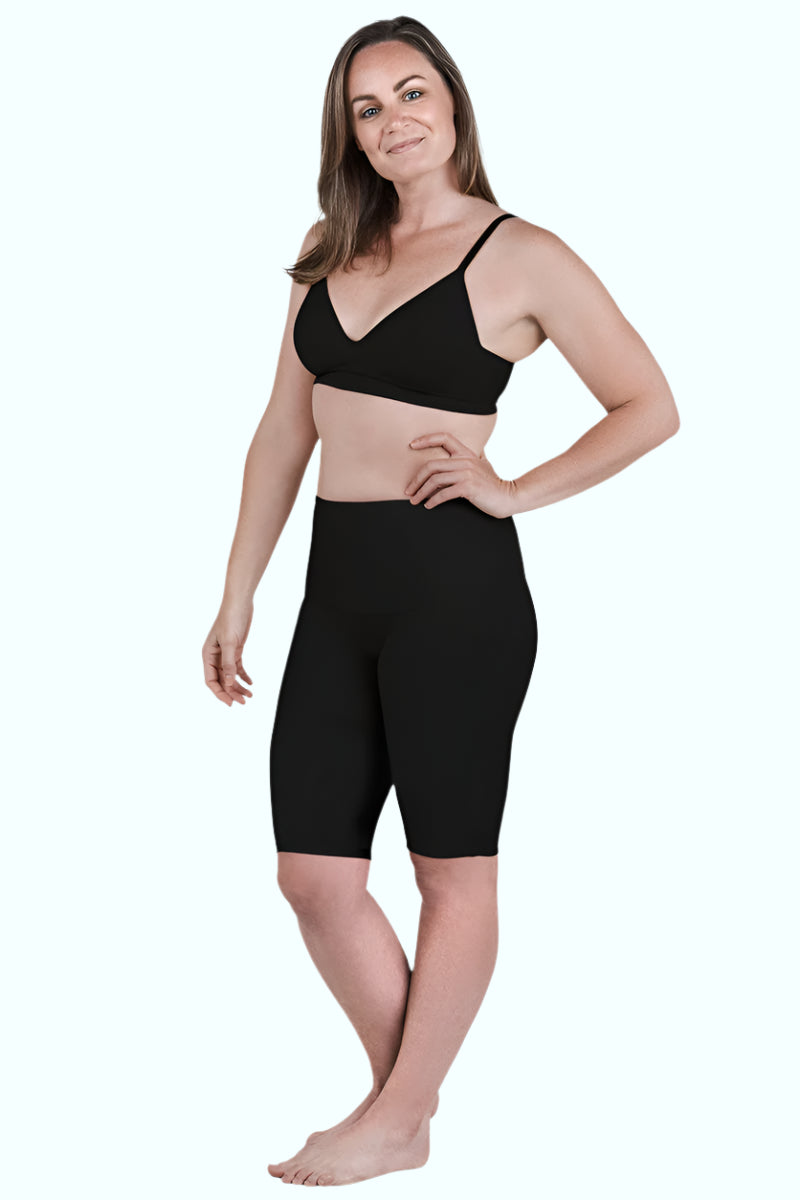
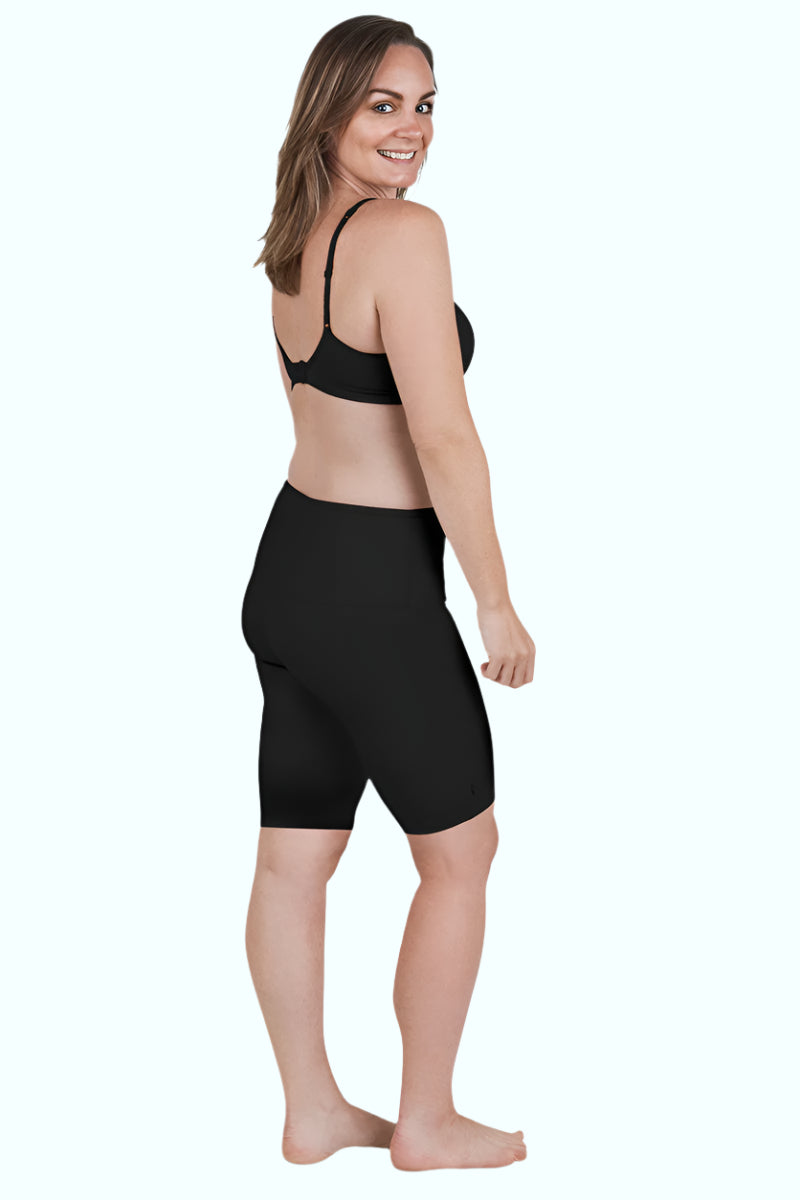
Postpartum SRC recovery garments offer targeted compression and support that can help stabilise the pelvis, lower back and abdomen during the early healing phase.
Benefits of SRC garments:
-
SRC Recovery Mini Shorts: Gentle compression supporting the pelvis and lower abdomen, reducing strain on the lower back.
-
SRC Recovery Shorts: Extended coverage and firmer support for core stability and alignment.
-
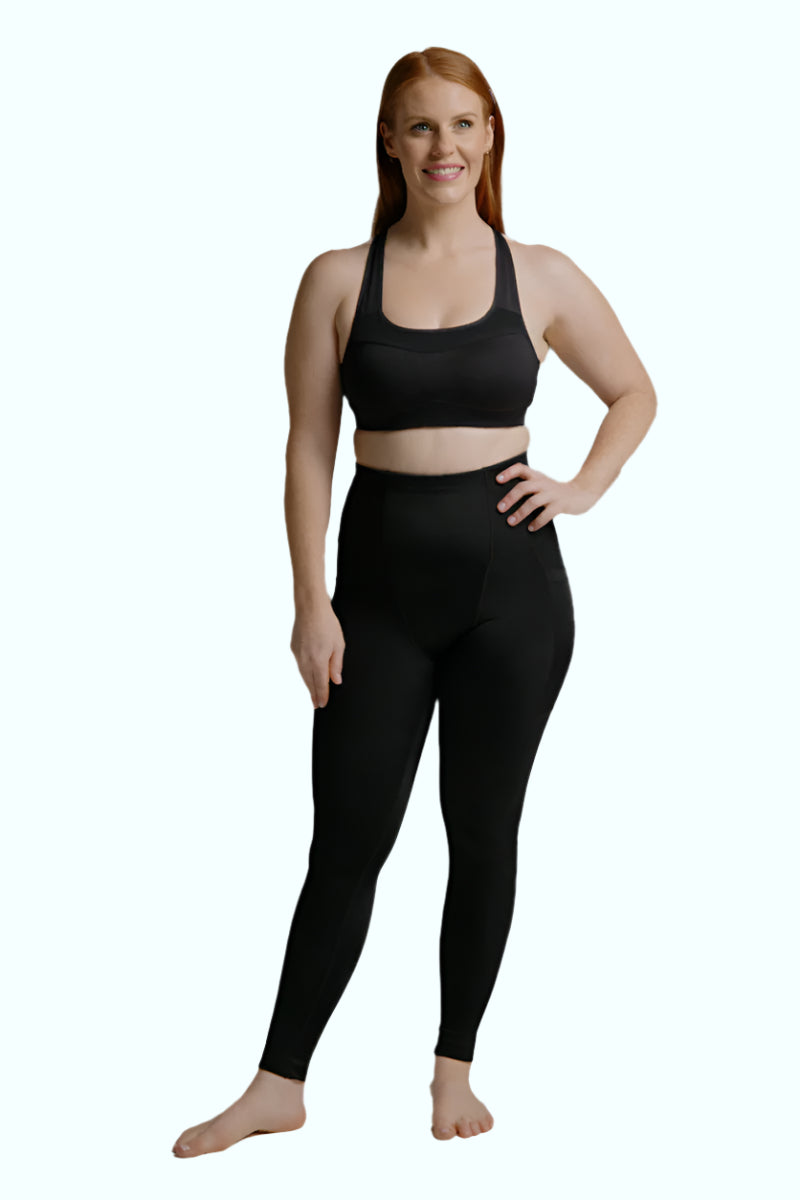
SRC Recovery Leggings: Full-length compression to support the hips, pelvis, and lower back while reducing muscle fatigue.
These garments help improve posture and provide support while muscles regain strength after childbirth.
3. Use Heat or Cold Therapy
Heat can relax tense muscles, and cold therapy can reduce inflammation and swelling. SRC Relief Femme-Eze Perineum Ice & Heat Packs can be adapted safely postpartum to provide soothing relief. Ice is more helpful in the early post-delivery days, while heat can ease ongoing muscle tension.
4. Do Gentle Exercises
Gentle, guided movement helps reduce stiffness and rebuild strength. Focus on core engagement, pelvic floor support, and controlled stretching rather than intense workouts initially.
5. Pain Management
Simple strategies like pacing activities, switching sides when carrying your baby, and using supportive pillows can make daily tasks easier. Over-the-counter pain relief may be considered if advised by a healthcare provider.
6. Rest
Rest is not optional; it’s essential. Tired muscles and joints struggle to recover without adequate rest, and overexertion can prolong pain.
Evidence-Based Postpartum Back Pain Relief Treatments
When home strategies aren’t enough, professional treatments can provide effective, evidence-based relief.
1. Physiotherapy
Physiotherapy is one of the most studied treatments for postpartum back and pelvic pain. Research supports exercise-based and stabilising programmes for reducing low back pain and improving function in postpartum women.

2. Pelvic Support Through SRC Recovery Garments
Rather than rigid belts or braces, graduated compression recovery garments can provide effective, comfortable support for the pelvis, abdomen and lower back in the postpartum period. SRC Recovery garments are designed to stabilise the pelvis, support weakened abdominal and pelvic floor muscles and improve posture during daily movement. Clinical research into lumbar and pelvic support shows that providing external support can reduce pain and disability in women with pregnancy-related pelvic girdle pain, particularly when combined with movement and rehabilitation exercises. SRC Recovery garments apply this evidence-based principle through medical-grade compression that supports the pelvis and lower back without restricting mobility.
3. Acupuncture
Complementary therapies such as acupuncture have been studied for pelvic and back pain related to pregnancy and postpartum. While evidence is limited, some reviews suggest potential benefits in reducing pain and improving function when used alongside conventional care.

Types of Postpartum Back Pain and How They Differ
Lower back pain postpartum
-
Where: Low back/lumbar spine
-
How it feels: Achy, stiff, or sharp with movement
-
Why: Core weakness, posture changes, ligament laxity
Upper back pain postpartum
-
Where: Between shoulder blades or chest level
-
How it feels: Tightness, burning, or muscular tension
-
Why: Feeding posture, baby carrying, rounded shoulders
Pelvic girdle pain
-
Where: Sacroiliac joints and symphysis pubis
-
How it feels: Sharp, stabbing, or unstable
-
Why: Pelvic joint laxity and post-delivery instability
Sciatica-style symptoms
-
Where: Lower back radiating down the leg
-
How it feels: Shooting, tingling, or burning
-
Why: Nerve irritation from spinal or pelvic structures
When to Call Your Doctor
Contact your healthcare provider if:
-
Pain significantly limits your ability to care for your baby
-
You develop progressive numbness, weakness, or leg symptoms
-
You have fevers, swelling, or signs of infection
-
Pain is severe or worsening rapidly
A physiotherapist is ideal for musculoskeletal pain and movement-related issues. Your GP or obstetrician should be consulted for systemic symptoms, neurological concerns, or if pain doesn’t improve with home care.
How to Prevent Postpartum Back Pain
Prevention starts during pregnancy and continues into early postpartum:
-
Maintain regular, gentle exercise and core strength during pregnancy
-
Practise good posture and lifting techniques
-
Address pelvic girdle pain early with professional support
-
Gradually introduce postpartum rehabilitation activities
-
Use supportive garments as appropriate
Postpartum back pain is common, but with the right combination of lifestyle adjustments, supportive care, and professional guidance when needed, many women see significant improvement. Your body has undergone profound physical, hormonal, and emotional change. Healing takes time, and every small step matters.
FAQs
1. How long does postpartum back pain last?
Many women improve within weeks to months, but some may experience lingering discomfort without treatment.
2. How long does the body fully take to heal postpartum?
While early recovery is often seen in 6–12 weeks, full healing can take up to a year or more.
3. How does sleep affect postpartum back pain?
Poor sleep can increase pain sensitivity and muscle tension, making symptoms feel worse.
4. Can breastfeeding positions cause back pain?
Yes. Unsupported feeding positions commonly contribute to neck and upper back pain.
5. When should I worry about postpartum back pain?
Seek medical advice if pain is severe, progressive, or associated with neurological symptoms or functional impairment.
References:
-
Gynaecologyjournal. (n.d.). https://www.gynaecologyjournal.com/articles/1525/8-5-22-116.pdf
-
Miladi S;Makhlouf Y;Boussaa H;Ben Abdelghani K;Fazaa A;Laatar A; (n.d.). Prevalence and associated factors for persistent low back pain in the postpartum period. La Tunisie medicale. https://pubmed.ncbi.nlm.nih.gov/38445403/
-
Verywell Health. Lower Back Pain After Pregnancy. Available from: https://www.verywellhealth.com/lower-back-pain-in-pregnancy
-
Wu WH, Meijer OG, Uegaki K, et al. Pregnancy-related pelvic girdle pain (PPP), I: Terminology, clinical presentation, and prevalence. European Spine Journal. 2004;13(7):575–589.
-
Gutke A, Ostgaard HC, Oberg B. Predicting persistent pregnancy-related low back pain. Spine. 2008;33(12):E386–E393.